


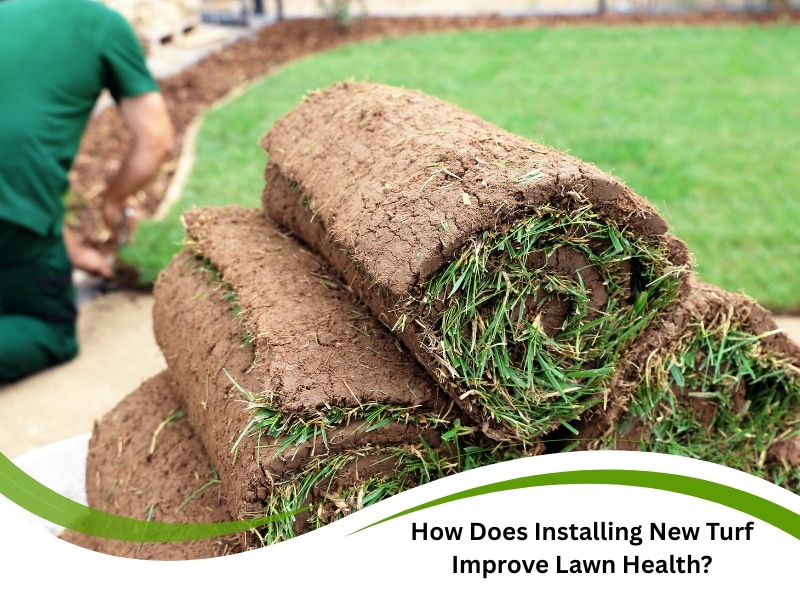
Installing new turf offers more than just a quick facelift for tired grass. It delivers an immediate boost to soil health, improves resilience, and supports lasting growth. Unlike patchy reseeding, fresh turf establishes more quickly and helps your lawn resist weeds, erosion, and pests from the outset. You’ll notice richer colour and stronger root systems that can withstand Sydney’s heat and sudden rain. Installing new turf also gives you control over soil quality and drainage, resulting in reduced maintenance in the long run. This article explores why installing new turf outperforms traditional methods and how you can make it thrive in your yard.
Why is installing new turf better than traditional reseeding?
Starting fresh with new turf can transform your outdoor space with minimal hassle. Here’s why it often beats spreading seed:
- Instant coverage: Fresh turf covers bare soil immediately, preventing weeds from taking hold and reducing erosion risks that often damage seeded lawns. This instant layer also helps regulate soil temperature during hot days.
- Stronger roots: Pre-grown turf comes with established roots that bind quickly to your soil, helping the lawn stay anchored during heavy rain or drought and preventing washouts that leave bald patches.
- Less water waste: Mature grass retains moisture more effectively, reducing evaporation compared to delicate seedlings that require constant watering and careful attention to prevent drying out.
- Uniform growth: Turf delivers a consistent texture and colour, without patchy areas, creating a professional finish that many homeowners prefer and saving time on touch-ups later.
Over time, this method proves more reliable and rewarding when you follow a quality turf installation process that yields lasting results and gives your lawn the best chance to thrive.
What common mistakes occur when installing new turf?
Even the most experienced gardener can encounter difficulties without proper preparation. Avoid these missteps when laying your new lawn:
- Skipping soil prep: Turf laid over old grass or debris won’t establish well and may rot, resulting in bare spots that are difficult to repair. A rushed start usually ends in disappointment.
- Improper watering: Excessive or insufficient water can damage tender roots before they have a chance to anchor, sometimes leading to fungal issues or dry sections that never recover.
- Uneven ground: Bumps and dips lead to pooling water and patchy growth, making mowing more difficult and creating trip hazards down the track.
- Rushing the process: Walking on new turf before it roots can create lasting bare spots that never fill in fully, especially if you try to cut corners.
Many of these problems happen when people try to lay new turf over old grass to save time. Although this approach may seem convenient, it can actually hinder the new turf’s ability to establish strong roots.
What soil preparation techniques improve turf installation success?
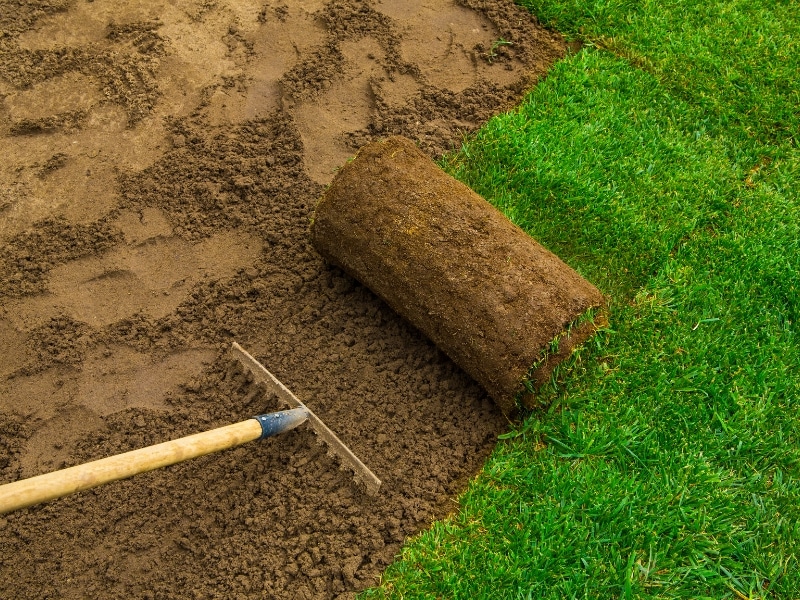
Preparation makes the difference between a lush lawn and a disappointing result. Before you start, consider these proven techniques:
- Remove old layers: Clear all weeds, rocks, and old grass to create a clean base that prevents disease from lingering in the soil and interfering with new roots.
- Loosen the soil: Turn over compacted soil to improve drainage and allow roots to spread deeply into nutrient-rich layers. A sturdy foundation helps your turf cope with heavy rain or dry spells.
- Add organic matter: Blend compost or topsoil to boost nutrients and improve water retention, providing new turf with the essential fuel it needs to grow evenly. This step also improves soil texture.
- Level the surface thoroughly: Use a rake to smooth the surface, ensuring the new turf sits evenly and avoiding air pockets that can dry out roots and create weak patches later.
This groundwork helps prevent common issues like dry pockets and runoff, especially when combined with efficient outdoor watering practices for a healthy garden that protects young roots.
How should you care for your lawn after installing new turf?
Post-installation care ensures your success and keeps your lawn looking its best. Follow these guidelines:
- Water gradually by starting with daily watering and then tapering off to encourage deep roots and help the grass adapt to natural rainfall. Deep watering also strengthens the turf against future heat waves.
- Limit traffic: Keep pets and kids off the turf until it’s firmly established and can withstand wear without damage. Even a few footprints can disturb young roots.
- Mow lightly: Trim no more than a third of the blade once the grass reaches 6–7 cm, reducing stress on the new growth and encouraging thicker coverage.
- Feed the soil: Apply starter fertiliser after the first month to maintain strong growth and help the turf fill gaps evenly across the yard.
When you’re ready to enhance the rest of your property, it’s helpful to explore different landscaping services for your home that align with your outdoor vision.
Which turf types thrive best when installing new turf in Sydney?
Choosing the right turf type can save you grief in the long run. Sydney’s weather demands hardy varieties that tolerate drought and wear.
| Turf Type | Shade Tolerance | Drought Resistance | Maintenance Level |
| Sir Walter Buffalo | High | Moderate | Low |
| Kikuyu | Low | High | Moderate |
| Zoysia | Moderate | High | Low |
| Couch | Low | High | High |
- Sir Walter Buffalo: Handles shade and heavy foot traffic without fuss, making it ideal for family backyards and high-traffic areas.
- Kikuyu: Fast-growing, but can overtake garden beds if not managed, requiring consistent edging and attention to stop spreading.
- Zoysia: Ideal for low-maintenance gardens that require drought resilience and fewer mowing sessions, offering a tidy look with minimal effort.
- Couch: Thrives in full sun but needs more upkeep to stay tidy and prevent thatch buildup, which can block water and nutrients over time.
Choosing wisely ensures your lawn remains green and healthy throughout every season.
How long does it take for new turf to fully establish?
Patience is key when you install new turf. Generally, it takes four to six weeks for roots to bind properly:
- Week 1–2: Daily watering and no foot traffic as roots start anchoring, which prevents movement or drying out that leads to gaps.
- Week 3–4: Reduce watering and mow lightly to encourage new growth while keeping blades at a healthy length. The first cut should be gentle.
- Weeks 5–6: The turf becomes resilient enough for everyday use and deeper watering, which supports root expansion into the subsoil.
- Beyond week 6: Maintain a consistent care routine to strengthen the lawn and keep it looking top-notch throughout the year.
Stick to this timeline to avoid weak spots and early damage. For additional insights into each phase, it’s helpful to explore the quality turf installation process for lasting results, ensuring you’re confident every step of the way.
Final thoughts
Although installing new turf can seem daunting, it yields unbeatable results for lawn health and appearance. By preparing your soil well, choosing the right turf type, and caring for it diligently, you’ll set yourself up for years of lush, resilient grass. Suppose you’d like tailored guidance to suit your garden’s unique conditions. In that case, you can ask A1 Gardening & Landscaping Sydney about tailored turf solutions.
