


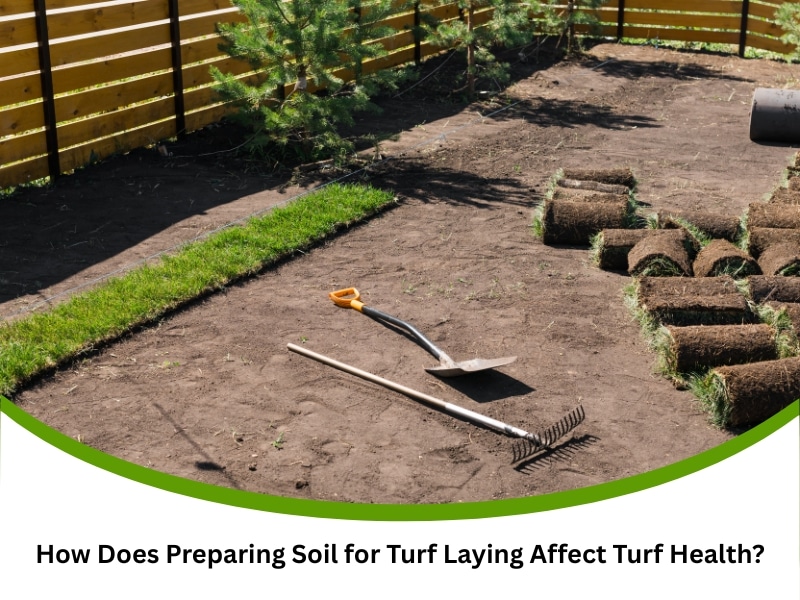
A healthy lawn doesn’t start with the turf—it starts beneath it. The soil underneath plays a massive role in how well your grass grows, stays green, and resists damage. Preparing soil for turf laying might sound tedious, but it’s the step that determines whether your lawn thrives or turns patchy in a few months. Many people think new turf equals instant results, but without the right groundwork, the fresh green won’t last. This article explores what proper soil prep really means and why it matters so much for long-term lawn health.
What problems arise when turf is laid on poorly prepared soil?
When turf is laid straight onto compacted or dry soil, things start to go wrong pretty quickly. Roots struggle to penetrate, water doesn’t absorb evenly, and your lawn ends up looking worse than before. Here are the turf issues that often pop up when the soil isn’t prepared well:
- Shallow root systems develop, leaving your lawn fragile during hot weather or dry spells
- Compacted soil limits water infiltration, causing puddles or dry zones across your yard
- Weeds quickly outcompete turf, especially when nutrients are off-balance or the surface is uneven
- Uneven surfaces cause water runoff, washing away topsoil and leaving exposed patches
It’s easy to assume that turf will cover up any problems, but what’s underneath eventually shows. Most of the common lawn complaints—like patchiness, yellowing, or random bare spots—trace back to poor soil preparation.
Why do many homeowners overlook proper turf soil preparation?
Plenty of people skip the prep work, either because they’re rushing to see results or they simply don’t realise how critical the soil is to turf health. Turf installation seems like a surface-level job—but the real work is beneath your feet. Here are a few reasons why this step gets ignored:
- People assume turf will grow on any soil, not knowing how soil texture and pH can hold it back
- DIY installations focus on the look, so groundwork often gets pushed aside to save time
- Soil testing is rarely done, meaning nutrient problems or compaction go unnoticed
- Budget constraints lead to cutting corners, but problems down the line cost more than fixing them up front
Skipping soil prep often looks like a time saver—until the lawn starts dying off. And by then, it’s much harder (and pricier) to fix.
Can ignoring soil quality before turf laying lead to lawn damage?
It absolutely can. Soil that’s compacted, unbalanced, or just plain neglected sets your turf up for failure. Grass laid on poor soil struggles to grow roots, which means it dries out fast, can’t take in nutrients properly, and becomes easy prey for pests and disease. Here are some typical outcomes from ignoring soil conditions:
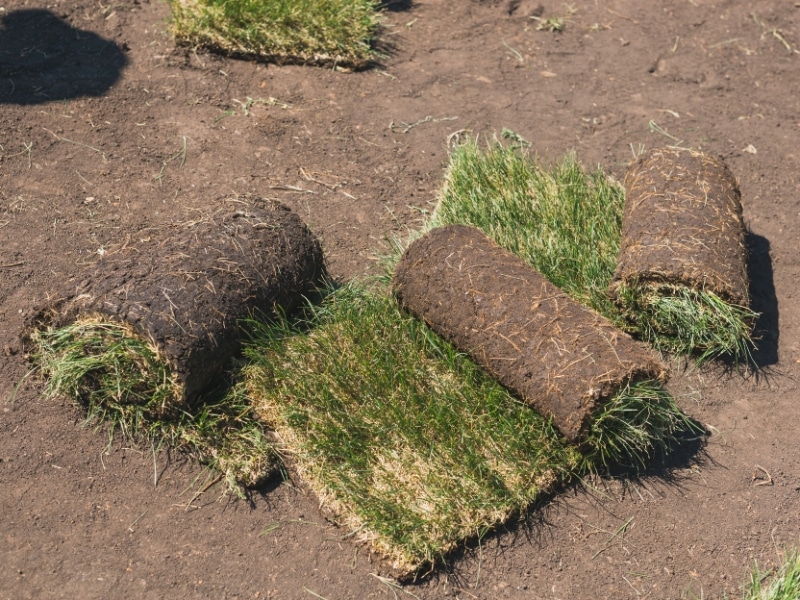
- Turf takes longer to establish, meaning you wait longer for a full, green cover
- Pest infestations are more common since weak grass is easier for bugs to attack
- Watering becomes less effective, with water sitting on top or disappearing too fast
- Lawn diseases spread easily, especially fungal problems that love damp, compacted areas
You might not notice the damage right away. It often creeps in gradually. That’s why it helps to be aware of the common early warning signs of turf stress so you can act before things get worse.
Does inadequate drainage worsen turf health after installation?
Yes, poor drainage beneath turf accelerates many common lawn problems, from root rot to mould. Healthy turf requires moist, but not soggy, soil — and that balance depends heavily on the soil’s structure and ability to drain. Here are the turf health problems caused by inadequate drainage:
- Waterlogging suffocates roots, cutting off oxygen and leading to rotting or wilting.
- Fungal growth becomes widespread, with diseases like Pythium and Rhizoctonia thriving in wet turf.
- Nutrient leaching removes vital minerals, which makes turf yellow and weak, even with fertiliser.
- Dry patches alternate with wet zones, creating an uneven appearance and inconsistent lawn performance.
Drainage issues often stem from compacted subsoil or a failure to mix in sand and compost before laying turf. That’s why it’s worth understanding the role of nutrients in soil health, since poor drainage often affects how effectively those nutrients are absorbed by turf roots.
What steps are essential when preparing soil for turf laying?
Proper soil prep isn’t complicated, but it does take effort. If you want turf that stays green and strong, these steps are worth doing right the first time. Here are the key things to do before laying turf:
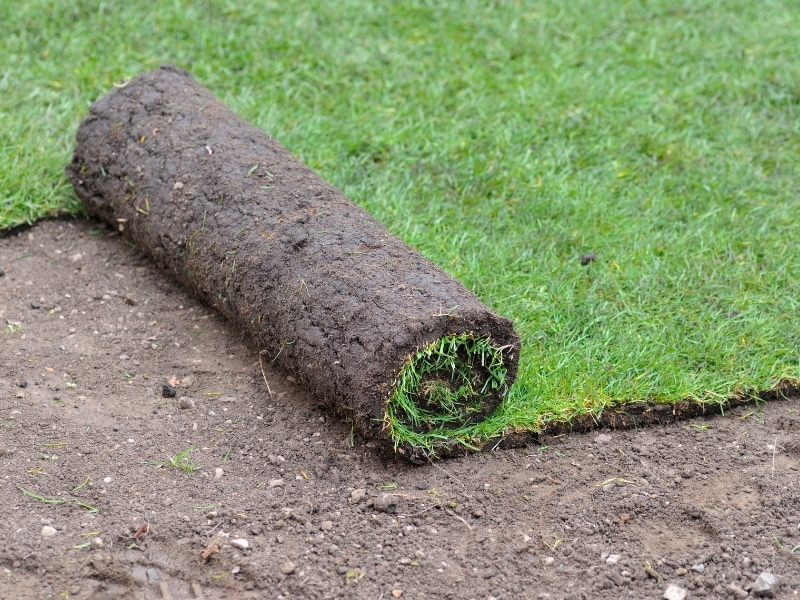
- Clear all existing vegetation, including roots and weeds, so they don’t grow back under your new lawn
- Test soil pH and structure, then balance it with compost, gypsum, or other soil improvers as needed
- Till the soil to around 100–150mm, which loosens compaction and helps air and water reach the roots
- Level and grade the surface, so water flows away from buildings and doesn’t pool in random spots
Once that’s done, you’re ready to roll out turf with confidence. If this sounds like more than you can take on solo, it might be time to look at reliable turf laying installation solutions for a healthy lawn that take care of the hard part for you.
Why should you trust turf installation to experienced professionals?
Because turf isn’t just about the rolls—it’s about knowing how to set the stage for growth. Experienced installers bring more than tools; they bring knowledge of preparing soil for turf laying, drainage, soil biology, turf types, and what’s likely to go wrong if shortcuts are taken. Here’s what they bring to the table:
- They catch drainage issues early, before they cause root rot or uneven watering
- They choose turf varieties suited to your site, including drought-tolerant or shade-friendly options
- They prepare the soil thoroughly, not just tossing turf on top of dry dirt
- They deliver faster root establishment, which saves you time, money, and headaches
If you’ve been thinking about starting fresh with a new lawn, it’s worth knowing how installing new turf can improve lawn health, especially when the prep is done right.
Turf health and soil type comparison
| Soil Type | Drainage Quality | Root Penetration | Turf Compatibility |
| Sandy | Excellent | Deep | Great with added compost |
| Clay | Poor | Shallow | Needs amendment (gypsum) |
| Loam (ideal) | Balanced | Moderate-Deep | Excellent overall |
| Compacted subsoil | Very poor | Very shallow | Unsuitable without tilling |
Final thoughts on achieving healthy turf through soil preparation
In the end, a great lawn doesn’t come from luck—it comes from getting the basics right. And it all starts with what’s under the turf. Don’t get caught chasing symptoms like brown patches or weeds when the cause is below the surface. Get the soil right, and the turf takes care of itself. If you’re planning your next lawn and want it to thrive from day one, learn how A1 Gardening & Landscaping Sydney helps maintain healthy turf.
