


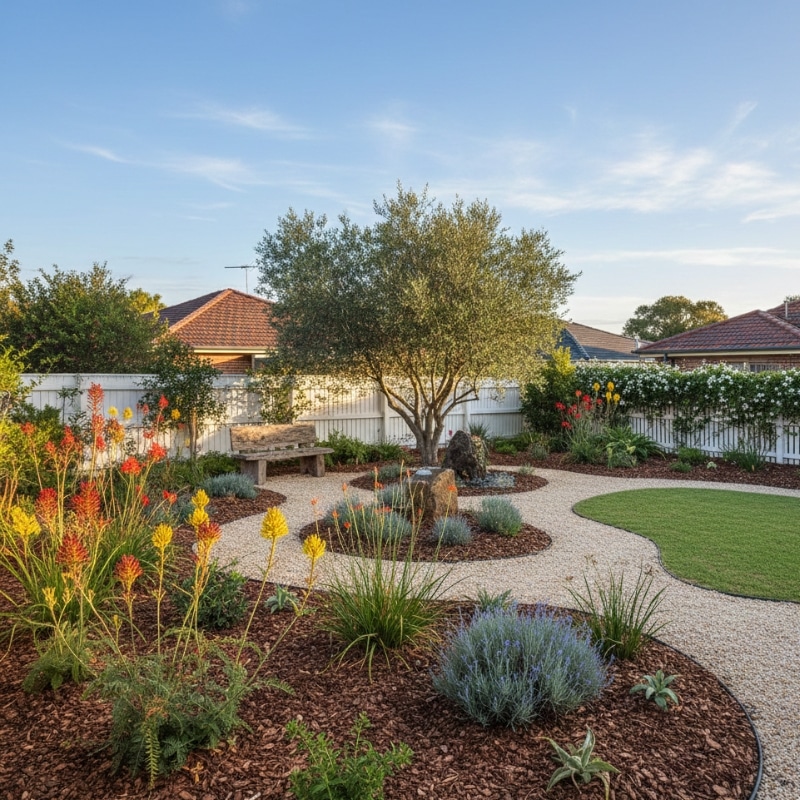
If you garden in Sydney, you’ve probably noticed that weeds don’t follow the same rules as they do in cooler or drier parts of Australia. You can clear a garden bed one weekend, enjoy it for a short while, and then see new weeds popping up after the next bout of rain.
That’s not bad luck. It’s climate.
Sydney’s combination of warmth, rainfall, humidity, and fertile soils creates ideal conditions for rapid weed growth. This makes the question “How often should you weed?” less about a fixed schedule and more about understanding how local conditions affect your garden throughout the year.
This guide explains realistic weeding frequency for Sydney gardens, what changes season to season, and how to tell when your garden needs attention before weeds become a bigger problem.
Why Sydney’s Climate Makes Weeds Grow Faster
Sydney sits in a humid subtropical zone, which is very different from the cooler southern states or drier inland regions. Several factors work together to accelerate weed growth:
- Warm temperatures for most of the year
- Regular rainfall, especially in late summer and autumn
- High humidity that keeps the soil moist
- Long growing seasons with short dormancy periods
Unlike colder climates, where weeds slow down or die off in winter, many weeds in Sydney continue growing year-round, just at different speeds.
This means long gaps between weeding sessions often allow weeds to establish deeper roots, set seed, and spread across lawns and garden beds.
How Often Should You Weed a Garden in Sydney?
For most Sydney homes, weeding is not a once-a-month job. A realistic baseline looks like this:
- Garden beds: every 2–4 weeks
- Lawns: spot weeding every 2–3 weeks during growing seasons
- High-risk areas (edges, paths, fence lines): every 2 weeks
However, these are general ranges. The exact frequency depends on your soil type, plant density, exposure to sun, and how well weeds have been controlled in the past.
Gardens that are regularly maintained tend to need less frequent weeding over time, while neglected gardens often require more intensive and consistent attention.
Seasonal Weeding Frequency in Sydney
Sydney’s seasons don’t affect weeds evenly. Understanding how weed behaviour changes throughout the year makes it much easier to plan realistic maintenance.
Summer: Peak Weed Growth
Summer is the most demanding season for weeding in Sydney.
Warm nights, high humidity, and sudden storms create perfect conditions for rapid weed germination. Many common summer weeds can emerge, flower, and seed within weeks.
During summer, most gardens need weeding:
• Every 2 weeks for garden beds
• Weekly spot checks after heavy rain
Skipping summer weeding often results in weeds spreading seeds that will cause ongoing problems well into autumn.
Autumn: Ongoing Growth After Rain
Autumn in Sydney often brings consistent rainfall with slightly cooler temperatures. While some summer weeds slow down, others thrive during this transition period.
Autumn weeding is important because:
• Weeds establish before winter dormancy
• Seeds dropped now will emerge in spring
• Moist soil makes weeds easier to remove fully
Most gardens still need weeding every 3–4 weeks during autumn, particularly after rain.
Winter: Slower but Not Weed-Free
Winter is when many gardeners relax, but Sydney winters are mild enough for certain weeds to continue growing.
Winter weeding usually involve:
• Monthly checks of garden beds
• Removing cool-season weeds before they establish
• Clearing weeds around paths and hard surfaces
Winter is also a good time to reduce future workloads by improving mulch coverage and soil health.
Spring: Rapid Regrowth Begins
Spring brings longer days and warming soil temperatures, which trigger another surge in weed growth.
Spring weeding typically requires:
• Every 2–3 weeks for garden beds
• Regular lawn inspections as grass and weeds compete
If weeds are allowed to flower and seed in spring, they can undo months of previous work.
How Weeding Frequency Affects Garden Maintenance Costs in Sydney
While this guide focuses on how often gardens need weeding, frequency is also one of the biggest factors that influences overall garden maintenance costs in Sydney.
The key point is that more frequent, lighter weeding usually costs less over time than infrequent, heavy clean-ups.
When weeds are managed regularly:
• Roots are shallow and easier to remove
• Fewer weeds reach maturity and seed
• Garden beds stay stable and are less disturbed
• Lawns remain dense and competitive
In contrast, gardens that are left too long between weeding sessions often require more time, effort, and corrective work. Established weeds tend to have deeper root systems, thicker growth, and wider spread, which increases the work involved in bringing the garden back under control.
Several factors influence how cost-effective weeding is over the long term:
• How often weeds are removed
• Garden size and plant density
• Lawn condition and coverage
• Seasonal growth patterns
• Previous weed seed buildup in the soil
In Sydney’s climate, where weeds grow quickly for much of the year, preventative maintenance is generally more efficient than reactive clearing. Keeping on top of weeds early helps stabilise garden conditions and reduces the likelihood of repeated intensive work later on.
For homeowners, this means that understanding and following realistic weeding frequency isn’t just about appearance — it plays a direct role in how manageable garden upkeep remains over time.
Lawn vs Garden Beds: Different Weeding Needs
Not all parts of your garden need the same approach.
Lawns
Lawns in Sydney are particularly prone to weeds during warm, wet periods. Thin or stressed lawns allow weeds to take hold more easily.
Lawns generally need:
• Fortnightly inspections in warmer months
• Spot removal rather than full clearing
• Early intervention before weeds spread
Healthy turf naturally suppresses weeds, but neglected lawns often require more frequent attention or ongoing support through professional garden weeding in Sydney.
Garden Beds
Garden beds tend to host a wider variety of weeds, especially in disturbed or freshly planted soil.
Garden beds usually require:
• More frequent weeding than lawns
• Extra attention after planting or mulching
• Monitoring around new plants
Well-mulched and densely planted beds reduce weed pressure significantly over time.
Soil Type and Weed Frequency in Sydney
Sydney’s soils vary widely, from sandy coastal soils to heavy clay inland. Soil type directly affects how often weeds appear.
- Sandy soils drain quickly but allow fast germination after rain
- Clay soils retain moisture longer, supporting sustained weed growth
- Improved soils with compost encourage both plants and weeds
Gardens with fertile, regularly watered soil often need more frequent weeding unless protective measures like mulching and ground covers are used.
Signs Your Garden Needs Weeding (Even If It’s “Not Time Yet”)
Rather than sticking rigidly to a calendar, it’s better to watch for signs that weeds are gaining ground.
Common indicators include:
• Small seedlings appearing across bare soil
• Weeds emerging around plant bases
• Fast regrowth after rainfall
• Difficulty removing weeds due to deeper roots
Acting early keeps weeding manageable and reduces long-term effort.
Can You Weed Too Often?
Over-weeding is possible, especially when the soil is disturbed unnecessarily.
Frequent aggressive weeding can:
• Expose bare soil that encourages new weeds
• Damage shallow-rooted plants
• Reduce soil structure over time
The goal is not constant disturbance, but strategic removal combined with prevention. This is why many gardeners focus on weed prevention methods for gardens rather than constant manual removal.
How Mulching Affects Weeding Frequency
Mulch is one of the most effective ways to reduce how often you need to weed in Sydney.
A good mulch layer:
• Blocks light from weed seeds
• Retains soil moisture for plants
• Reduces temperature fluctuations
Most Sydney gardens benefit from topping up mulch once or twice a year, particularly before summer and spring growth periods.
Without mulch, weeding frequency often doubles.
Why Weeds Keep Returning After You Remove Them
Many Sydney gardeners feel frustrated when weeds reappear quickly. This usually happens because:
- Roots weren’t fully removed
- Seeds were already present in the soil
- Surrounding areas weren’t treated
- Seasonal conditions favoured regrowth
Understanding these cycles is key to stopping weeds from growing long-term rather than endlessly reacting to them.
When DIY Weeding Starts to Fall Behind
There’s nothing wrong with maintaining your own garden, but certain situations make DIY weeding difficult to keep up with:
- Large properties or dense gardens
- Long periods of neglect
- Repeated weed resurgence despite effort
- Physical limitations or time constraints
In these cases, structured support and professional oversight can reset the garden and make ongoing maintenance far more manageable.
Reducing Long-Term Weeding in Sydney Gardens
The goal isn’t just to weed often, but to weed less over time.
Effective long-term strategies include:
• Improving plant density
• Maintaining healthy lawns
• Applying mulch consistently
• Removing weeds before they seed
Following guidance from the NSW Department of Primary Industries helps reduce the spread of invasive weeds and supports healthier garden ecosystems.
Frequently Asked Questions
Is a monthly weeding enough in Sydney?
For most gardens, monthly weeding is only sufficient during winter. In warmer months, weeds usually require attention every 2–3 weeks.
Do weeds grow faster after rain?
Yes. Rain combined with warm soil triggers rapid germination and growth, which is why weeds often appear suddenly after storms.
Does mulching really reduce weeding?
Yes. Proper mulching can reduce weed growth by more than half by blocking light and stabilising soil moisture.
Are weeds worse in coastal Sydney?
Coastal areas often have sandy soils and humidity, which can lead to fast weed germination after rain, especially in exposed gardens.
Can healthy plants reduce weeds?
Dense, healthy planting shades soil and competes for resources, making it harder for weeds to establish.
Final Thoughts
Weeding frequency in Sydney isn’t about sticking to a strict schedule. It’s about understanding how climate, seasons, soil, and garden structure influence weed growth.
Most Sydney gardens need more frequent attention than homeowners expect, particularly during warm and wet periods. By recognising early signs, adjusting maintenance through the year, and focusing on prevention, it’s possible to reduce both the effort and frustration weeds create.
