


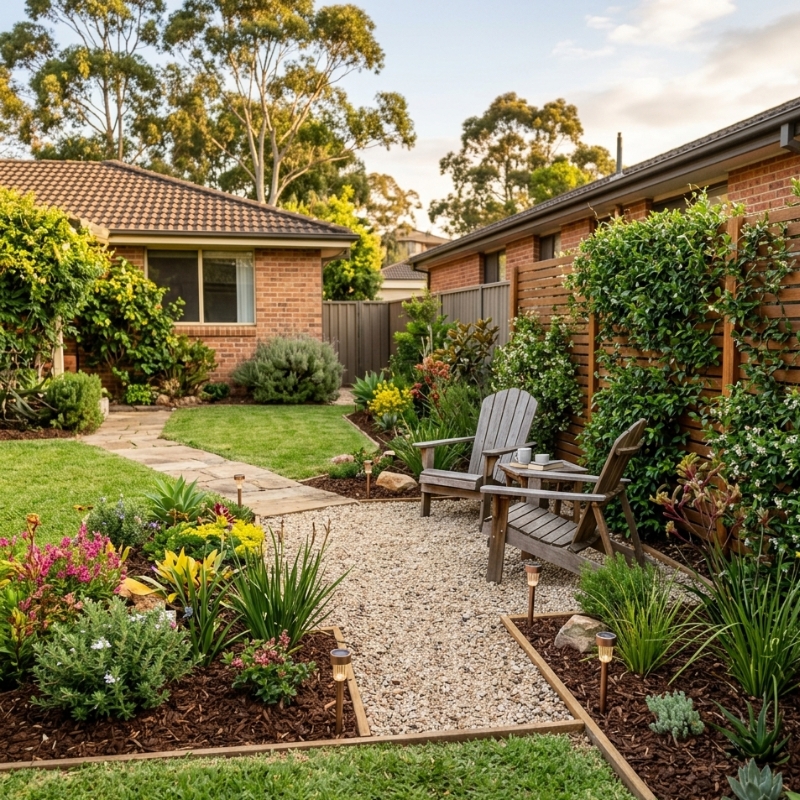
A backyard makeover in Sydney doesn’t have to mean a blank cheque, weeks of disruption, or a Pinterest-perfect plan that falls apart the moment you hit real-world landscaping constraints (slope, drainage, shade, coastal wear, kids, pets, neighbour privacy… the list goes on).
The difference between a makeover that feels expensive and one that stays on budget is almost always the plan. Not the size of the yard. Not even the materials. It’s the order you do things in, the decisions you lock in early, and the few “non-negotiables” you refuse to compromise on (like water flow and safe access).
This guide walks you through a practical Sydney-friendly approach: measure, prioritise, stage your upgrades, and spend where it actually counts.
Start with a simple makeover brief (before you look at products)
You don’t need a full design package to get clarity. You need a one-page brief that stops scope creep.
Write down:
• Who uses the yard (adults entertaining, young kids, teens, pets, renters, ageing parents)
• When you use it (summer evenings, weekend brunch, year-round)
• What you hate right now (mud, no shade, no privacy, weeds, slippery paths)
• What “success” looks like (easy entertaining, low upkeep, more green, better flow)
• Your maintenance tolerance (10 minutes/week vs 1 hour/week)
Sydney reality check: your “dream” layout needs to match how you’ll use the space in heatwaves, heavy rain spells, and humid weeks. A gorgeous lawn that needs constant watering and edging is rarely “low maintenance” in practice.
Quick answer
If you’re unsure where to start: define your top 2 priorities (usually seating/shade and low upkeep), then work backwards into zones, drainage, surfaces, and planting.
Measure and map what you already have (this saves money fast)
Budget blowouts often happen because people buy first and measure later.
Do a quick site map:
• Measure the yard length/width and key distances to fences, doors, taps, clothesline, hot water unit, AC, etc.
• Mark slopes and “low points” where water sits after rain
• Note sunny vs shady areas (morning sun, harsh western sun, deep shade)
• Identify what stays (trees, usable paving, solid edging, retaining walls)
Take photos from the same corners each time. You’ll use them to compare options and track progress in phases.
Q&A block: What should I do first in a backyard makeover?
Do the “unsexy” checks first: levels, drainage behaviour after rain, access paths, and what must stay. Then decide zones (seating, lawn, garden, storage). Once the layout is locked, you can choose materials and plants without redoing work.
Choose 2–4 zones (so your budget has boundaries)
A makeover gets expensive when everything becomes “the project”. Zones keep it contained.
Common Sydney backyard zones:
• Entertaining zone (table, BBQ area, lighting)
• Green zone (garden beds, pots, small lawn or groundcovers)
• Utility zone (bins, washing line, storage, shed access)
• Play/pet zone (durable surface, shade, safe fencing)
The trick: don’t try to upgrade all zones at the same time. Pick the “hero zone” first (usually entertaining), then support it with small changes elsewhere.
Set a budget that includes the hidden costs
A budget isn’t just “materials”. It’s everything that makes the space functional.
Include allowances for:
• Site prep (removal, skips, levelling, soil improvement)
• Drainage and water management (even minor fixes)
• Edging and borders (the detail that makes it look finished)
• Lighting (path safety + ambience)
• Plant establishment (mulch, water, staking, initial losses)
• Contingency (because Sydney weather exposes problems)
A practical rule: keep a contingency buffer that you refuse to spend on “nice-to-haves”. If something unexpected pops up (like a drainage issue you didn’t notice in dry weather), you’ll be glad you kept it.
Q&A block: How much does a backyard makeover cost in Sydney?
Costs vary wildly based on access, slope, drainage, and materials. The best way to stay on budget is to choose a clear scope (zones), stage upgrades, and avoid rework. If you can’t explain what you’re building and where it goes in one sentence, the scope is probably too loose.
Plan in phases (so you get results without financial pain)
Phasing is the smartest “budget hack” because it prevents redoing work later.
Phase 1: Make it neat, usable, and dry
This phase is about instant improvement without major construction.
• Remove clutter and dead/overgrown plants
• Define edges (beds, paths, lawn lines)
• Add mulch to suppress weeds and lift the look
• Fix trip hazards and create a simple access path
• Address obvious water pooling
If you want ideas that fit Sydney conditions and won’t turn into a weekend-eating chore, start with this internal guide on low-maintenance backyard upgrades for Sydney.
Phase 2: Lock in layout and surfaces
Now you can invest in the parts that set the structure.
• Hard surfaces (small paved/paver pad, gravel area, stepping stones)
• A defined entertaining footprint (even if furniture is temporary)
• Privacy screening where it matters most (seating line of sight)
Phase 3: Planting that suits your microclimate
Planting is where people overspend and then spend again, replacing things that fail.
• Choose the right plants for sun/shade and coastal exposure
• Improve soil before you plant (it’s cheaper than replacing plants)
• Plant in groups for impact (not scattered singles)
Phase 4: “Nice-to-haves”
- Feature lighting, fire pit (where safe), water feature, built-in seating
• Decorative screening and finishing touches
Spend where it shows (and save where it doesn’t)
You don’t need premium everything. You need quality where it affects safety, durability, and daily use.
Spend more on:
• Safe, stable surfaces and edges
• Drainage and correct falls
• A comfortable seating zone (shade and layout)
• Plants suited to your conditions (so you don’t replace them)
Save on:
• Decorative extras early on
• Outdoor furniture (buy later once you know your layout)
• Fancy pots everywhere (use fewer, larger pots for impact)
• Trendy materials that don’t suit your site (especially coastal wear)
Q&A block: What’s the cheapest way to improve a backyard quickly?
Neaten edges, add fresh mulch, prune/clean up planting, and define a simple seating area with gravel or pavers. Most “before/after” transformations you see online rely on finishing details (edges + mulch + tidy layout), not expensive builds.
Sydney-specific budget traps (and how to avoid them)
Sydney backyards have a few common patterns that can quietly blow a budget if you don’t plan for them.
Heavy rain and stormwater surprises
A yard that looks fine in dry weeks can become a mess after a couple of big downpours.
Watch for:
• Water flowing toward the house
• Pooling at fence lines
• Muddy patches that never fully dry
• Pavers or stepping stones sinking over time
Budget tip: before you upgrade surfaces or install garden beds, watch how water moves during rain (or hose test). Fixing drainage after you’ve laid surfaces often means ripping up new work.
Coastal wear and tear
If you’re closer to the coast, salt air and wind can shorten the life of finishes and stress certain plants.
Budget tip: choose corrosion-resistant fixings and hardy plants; avoid materials that require constant sealing or delicate maintenance in exposed areas.
Shady courtyards and narrow side access
Inner-city terraces and townhouses often have shade, tight access, and limited space for machinery.
Budget tip: pick compact, modular upgrades that can be carried in (pavers, gravel, planter boxes). Avoid plans that depend on large machinery access unless you’ve confirmed it’s possible.
Materials that look great without costing a fortune
Your surfaces and borders create the “bones” of the yard. Done well, even modest materials can look high-end.
Gravel (when it works)
Gravel can be cost-effective and quick, especially for informal seating zones or paths.
Make it work by:
• Using proper base preparation (the part people skip)
• Adding edging so it doesn’t spread
• Choosing a stable gravel type suitable for foot traffic
Pavers (small, strategic areas)
Instead of paving everything, build one solid “landing” area for entertaining.
Budget-smart paver use:
• A pad for a table and chairs
• A path from the door to the yard zone
• Stepping pavers through gravel or groundcover
Mulch and edging (the makeover multiplier)
Fresh mulch is one of the highest-impact, lowest-cost upgrades—if you edge properly first.
Benefits:
• Suppresses weeds
• Keeps soil moisture more stable
• Instantly makes beds look intentional
For a deeper dive on what tends to be most cost-effective in real backyards (not just photos), use this internal reference onlow-cost landscaping upgrades.
Q&A block: Is gravel cheaper than paving?
Often, yes—especially short term. But the final cost depends on base preparation, drainage needs, and edging. A poorly prepared gravel area can shift and need redoing, which becomes more expensive over time.
Planting on a budget (without constant replacements)
Cheap plants that die aren’t cheap.
Choose plants that match sun and water reality
Sydney backyards often swing between hot sun and heavy rain. Look for plants that handle your site conditions rather than forcing a “look” that needs constant intervention.
Practical planting strategies:
• Group plants by water needs (so you’re not overwatering some to save others)
• Use groundcovers or dense planting to reduce weeding
• Add mulch after planting to stabilise moisture and suppress weeds
Use “structure plants” first
Instead of buying dozens of small plants, invest in a few structural plants that give shape year-round (shrubs, screening plants, feature small trees where suitable), then fill gaps over time.
Pot plants as a staging tool
Pots are great for flexibility, but lots of small pots can become a maintenance burden. Fewer, larger pots usually look better and are easier to manage.
DIY vs “get help” lines (to avoid expensive rework)
DIY can absolutely save money—if you DIY the right tasks.
Good DIY tasks:
• Clean-up, removal, and basic prep
• Mulching, planting, and drip watering (simple systems)
• Painting fences/screens and installing lightweight screening
• Laying simple stepping stones (with care and proper base)
Tasks that often cost more if done wrong:
• Drainage changes that connect to stormwater
• Major levelling/excavation
• Structural retaining walls
• Electrical work for lighting and power
• Anything requiring compliance/approvals
If you’re unsure whether your project falls under exempt development or needs approval, check NSW Planning’s exempt development guidance. It’s the fastest way to avoid an expensive “undo and redo” later.
Q&A block: What can I build without council approval in NSW?
Some minor works may be classed as exempt development, depending on what you’re building and your site conditions. Rules can vary by property type and constraints, so always check official NSW Planning guidance first (and confirm if your site has specific restrictions).
A simple budget-planning checklist you can use today
Before you buy anything, do this:
- Measure the yard and draw a rough layout
• Decide your top 2 priorities (function first)
• Pick 2–4 zones and choose one “hero zone”
• Watch water flow in rain (or do a hose test)
• List what stays vs what goes
• Choose Phase 1 tasks you can complete in a weekend
• Allocate contingency that you don’t spend on décor
• Lock in surfaces and edges before heavy planting
When you’re weighing options, this internal guide on landscaping material choices on a budget can help you think through durability, maintenance, and what tends to deliver the best long-term value in Sydney yards.
FAQ
How do I make a small Sydney backyard feel bigger on a budget?
Use clear zones, keep pathways simple, and prioritise vertical elements (screening, trellis, tall plants) rather than filling the whole floor area. A single defined seating zone plus tidy edges and mulch often makes the space feel instantly larger.
What should I upgrade first: plants, paving, or furniture?
Start with layout and usability: edges, tidy-up, and a safe surface where you’ll sit or walk. Furniture comes last because you’ll choose better once you know how you actually use the space.
How can I reduce ongoing maintenance?
Reduce lawn where possible, plant densely to block weeds, mulch properly, and choose plants that suit your sun/shade and water reality. Keep “fussy” features to a minimum and invest in a practical edge so beds stay contained.
What’s one mistake that causes the biggest budget blowout?
Rework. The most common reason people spend twice is changing the layout after installing surfaces or planting, or discovering drainage/level issues late. Plan zones and water flow early.
Are pavers always more expensive than gravel?
Not always. Small strategic pavement areas can be very cost-effective and durable. Gravel can be cheaper, but it needs correct base prep and edging to stay neat long-term.
How do I keep a makeover looking “finished” even if I do it in phases?
Finish the visible details in each phase: clean edges, fresh mulch, a tidy path, and a defined seating footprint. Even temporary furniture looks good when the structure and borders are clean.
