


Transform the entrance of your home with premium driveway paving services from A1 Gardening & Landscaping Sydney Sydney. Our team specialises in creating stunning driveways that enhance curb appeal and increase property value. We offer various paving options tailored to suit your needs, whether you want durability, aesthetic appeal, or both. Discover how our expertise in driveway paving can elevate your outdoor space.
Professional Driveway Paving Solutions in Sydney
When it comes to driveway paving in Sydney, A1 Gardening & Landscaping Sydney Sydney stands out for comprehensive services. Our approach combines expert craftsmanship with high-quality materials to deliver an exeptional paving services in Sydney.
Benefits of Our Driveway Paving Services:
- Enhanced Aesthetics: Choose from various styles and materials to complement your home’s design.
- Durability: Our paving solutions are built to withstand the elements and heavy traffic.
- Low Maintenance: Our materials are chosen for their ease of upkeep, ensuring long-term satisfaction.
- Increased Property Value: A well-paved driveway adds significant value to your property, making it more attractive to potential buyers.
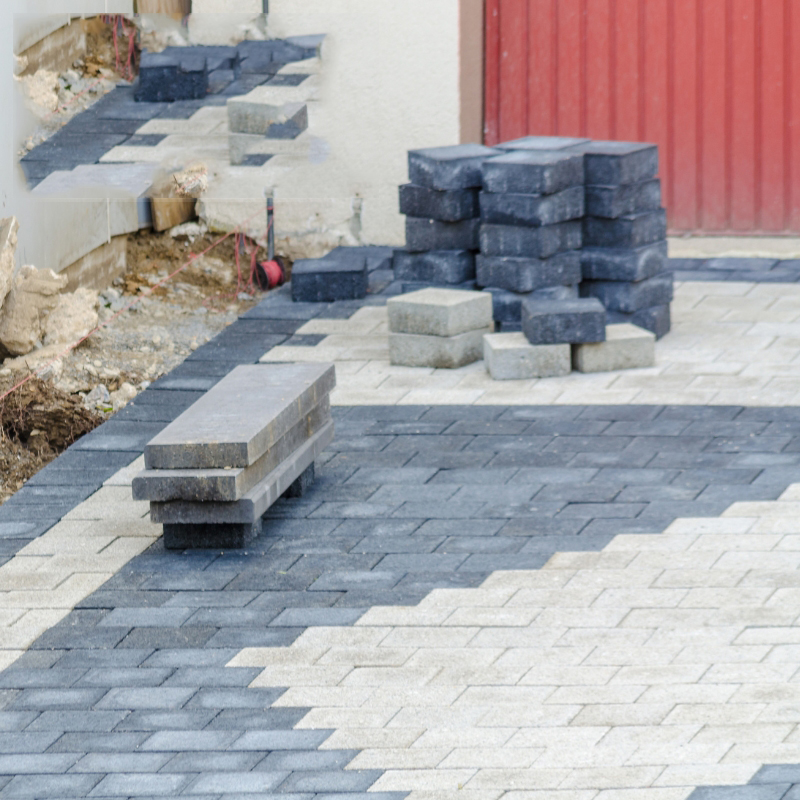
Our team ensures that every aspect of the paving process is handled precisely, from initial design to final installation. We use only the best materials and techniques to guarantee exceptional results, including driveway cement pavers and brick paved driveways.
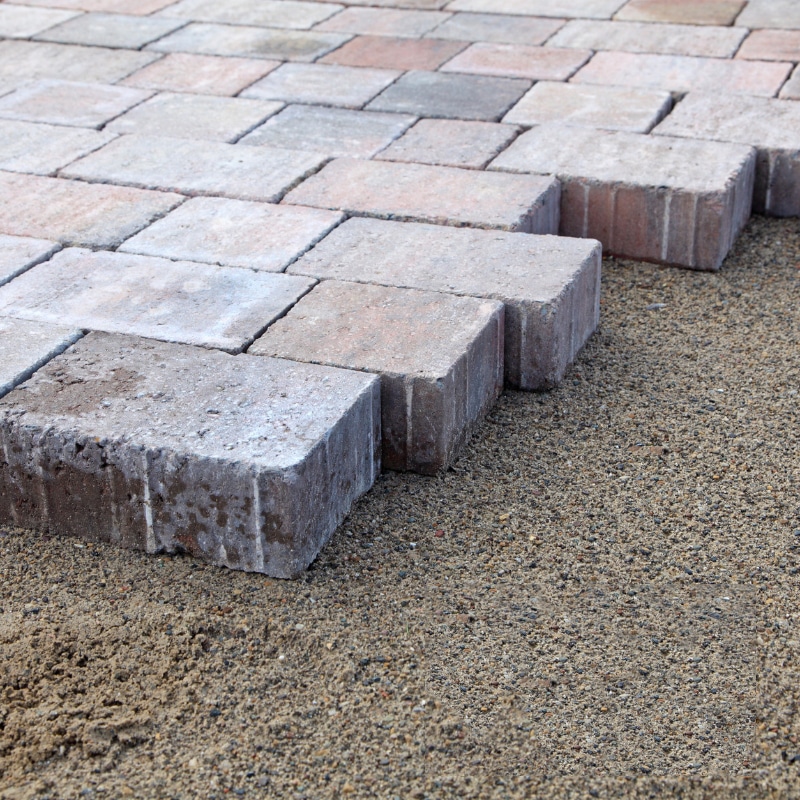
Comprehensive Paving Driveway Services
Our paving driveway services are designed to meet the complying development for pathways in NSW of Sydney homeowners. We focus on delivering various solutions that enhance functionality and style.
Types of Driveway Paving We Offer:
- Concrete Paving: Ideal for a sleek, modern look with minimal maintenance.
- Brick Paving: Provides a classic, elegant appearance with enhanced durability.
- Stone Paving: Adds a natural, rustic charm to your driveway.
Each type of paving offers unique advantages tailored to different needs and preferences. Our expert team will work closely with you to select the best option based on your specific requirements, ensuring a driveway that not only meets your functional needs but also enhances the overall beauty of your property. Whether you are looking for a contemporary concrete finish, the timeless elegance of brick, or the natural allure of stone, we have the expertise to deliver outstanding results.
Why Choose A1 Gardening & Landscaping Sydney for Your Driveway?
- Experienced Professionals: Our team brings years of expertise, ensuring a high-quality installation and flawless finish.
- Custom Solutions: We tailor our services to meet your unique needs, creating a driveway that matches your vision.
- Quality Materials: We use top-tier paving materials, such as premium concrete, durable bricks, and natural stones, for lasting durability and beauty.
- Competitive Pricing: Enjoy exceptional service at fair prices, with no hidden costs, giving you great value for your investment.
Our commitment to excellence means that your driveway will look fantastic and stand the test of time. With A1 Gardening & Landscaping Sydney, you can be confident that you are investing in a high-quality, durable solution that enhances the beauty and functionality of your home.
Frequently Asked Questions
The duration depends on the size and complexity, typically 1-2 weeks.
Yes, we use durable materials designed to handle heavy traffic.
Absolutely, we offer a range of colours and patterns.
Yes, it significantly increases curb appeal and property value.
Regular cleaning and occasional sealing will keep it in top condition.
