
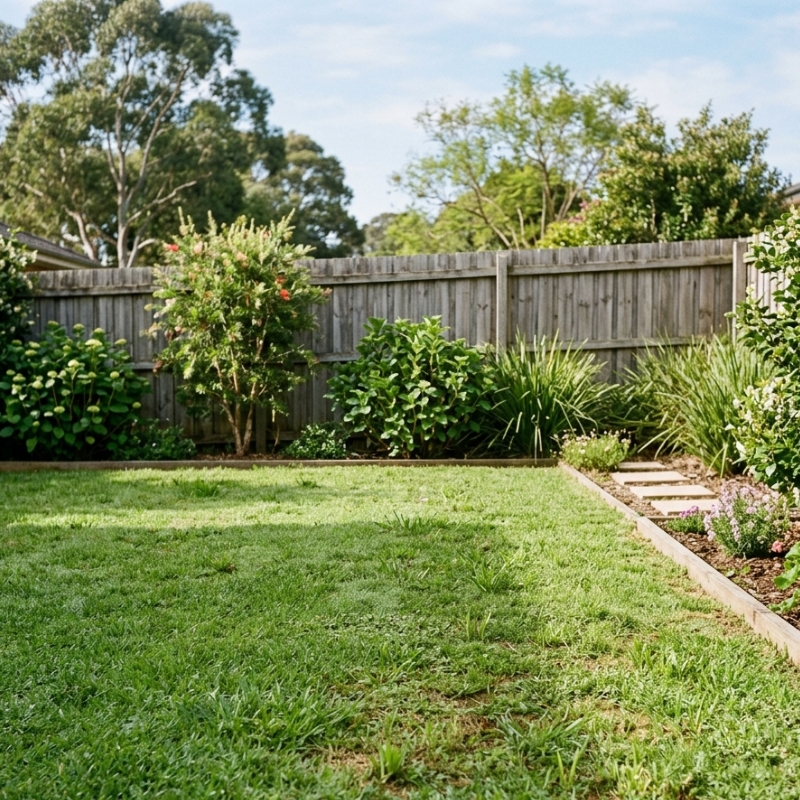
By the end of winter, most Sydney lawns look a bit sorry for themselves. Thin, patchy, a few weeds moving in, and that hard, compacted feel underfoot. Good news is spring is the perfect time to turn it around. The soil’s warming, the grass is waking up, and the jobs you do now set the lawn up for the whole summer. If you’re wondering how to prepare your garden for spring, the lawn is the best place to start. This is a straight, practical spring lawn care plan for Sydney: what to do, in what order, and when it’s smarter to stop reviving and lay fresh. None of these lawn care tips is complicated. The order is the bit most people get wrong.
Why spring lawn care matters in Sydney
Timing is half the battle. Do these jobs in the depth of winter and the grass is too dormant to respond. Do them in the heat of January and you’re just fighting to keep everything alive. Spring hits the sweet spot. The soil warms, the roots get active, and a lawn that’s actually growing can heal, take up feed, knit over bare patches and shrug off the weeds you pull now. Get in early in the season, and there are months of good growing weather ahead to make the most of it. Leave it too late, and you’ll be playing catch-up all summer.
Step one: tidy up and assess
Before anything clever, clear the deck. Rake off the leaves, twigs and dead thatch that piled up over winter, then give the lawn its first proper cut of the season on a higher setting. Now you can see what you’re working with.
This is also the moment for an honest look. Is this a tired lawn that’ll come good with a bit of work, or is it more weed than grass with bare dirt showing through? A lawn that’s still mostly grass is well worth reviving. One that’s mostly weeds, moss and dirt might be past it. Not sure what you’re looking at? Our guide on how to diagnose common lawn problems runs through the usual suspects.
Step two: control weeds early
Weeds are the first thing to jump in spring, and they’re far easier to handle before they flower and set seed. Knock them out now, and you stop this year’s crop from seeding next year’s headache. Hand-pull the big ones, get onto the broadleaf weeds and running grasses early, and clear them before you feed. Feed a weedy lawn, and you’re just fattening up the weeds along with the grass. If the lawn’s badly overrun, proper weed control is worth sorting first so the grass isn’t fighting for space and nutrients.
Step three: aerate and relieve compaction
A lot of Sydney sits on clay, and clay compacts. Foot traffic, kids, the dog, a soggy winter, and the soil packs down until water and air can’t reach the roots. You’ll know it when water pools and runs off instead of soaking in, or the ground feels rock hard.
Aerating fixes that. On a small lawn, a garden fork pushed in and rocked back and forth every 10 or 15 centimetres does the trick. On a bigger lawn, a coring aerator that pulls plugs of soil out of the ground works better. Either way, you’re opening the surface so water, air and feed can get down to the roots. Lawn aeration is the step most people skip, and on a compacted clay lawn it’s often the one that makes the biggest difference.
Step four: top dress and level
With the lawn breathing again, top dressing smooths it out. Spread a thin layer of quality sandy loam or a proper top dressing mix over the surface, work it into the low spots and any dips, then brush or rake it so the grass blades still poke through. Keep it thin, a centimetre or so. Lawn top dressing levels a bumpy surface over a season or two, improves the soil up top and gives new growth something good to root into. Whatever you do, don’t bury the lawn in one go. Thin layers built up over time beat one thick dump that smothers the grass.
Step five: feed and water
Now feed it. Spring is when the lawn can actually use the nutrients, so a spring lawn feed gives it the push to thicken up and green out. Pick a fertiliser suited to your grass type, spread it evenly, and water it in well so it reaches the roots instead of sitting on the leaf.
Watering matters more as things warm up. A deep soak a couple of times a week beats a light daily sprinkle every time, because it drives the roots down deep where they’re better protected from the heat. Shallow, frequent watering trains the roots to sit near the surface, which is exactly what you don’t want going into a Sydney summer. It’s also worth a look at Sydney Water’s water wise guidelines, which set the hours and methods for watering across Greater Sydney.
Step six, mow the right way
Mowing sounds like the easy bit, and people still get it wrong. The big rule: never take off more than a third of the leaf in one cut. Scalp a lawn, and you stress it, open the door to weeds and dry it out. Through spring, as growth picks up, mow more often and keep the blades sharp so they slice cleanly rather than tear. Lift the height a touch in the heat, too, since longer grass shades its own roots and holds moisture. Little and often, sharp blades, not too short. That’s the whole trick.
When a lawn is too far gone
Sometimes the kindest thing is to call it. If the lawn’s more weed and bare dirt than grass, keeps coming down with disease, or you’ve revived it two springs running and it still looks rough, you can end up spending more nursing it along than a fresh start would cost. That’s when new turf is usually the better call, and you get an even, healthy lawn from day one instead of forever chasing an old one. Professional turf laying takes care of the prep and the laying, and for the upkeep after that, regular garden maintenance keeps it looking the part.
Frequently asked questions
When should I start spring lawn care in Sydney? Early spring, once the cold has eased off, the soil starts to warm and the grass shows signs of growing again. Get in early and the lawn has the whole season to recover, so don’t sit on it until the heat arrives.
In what order should I do the jobs? Tidy up and assess, control weeds, aerate, top dress, then feed and water, and mow to suit through the season. Weeding before feeding matters, and aerating before you top dress and feed lets everything get down to the roots.
Should I aerate before or after feeding? Aerate first. Opening up the soil before you feed means the fertiliser and water can actually reach the roots instead of sitting on a hard, compacted surface. Feed once you’ve aerated, and after top dressing if you’re doing it.
How do I fix a patchy lawn? Loosen the bare patches, sort out whatever caused them, whether that’s weeds, compaction or shade, then feed and water so the surrounding grass creeps back in. Bigger bare areas may need re-seeding or a patch of fresh turf. If the patches keep coming back, there’s usually an underlying problem worth diagnosing first.
When is it better to lay new turf than keep reviving an old lawn? When the lawn’s mostly weeds or bare dirt, when disease keeps returning, or when a couple of springs of effort still leaves it looking tired. At that point a fresh lawn often works out cheaper than the endless patching, and it looks right straight away.
For regular lawn and garden upkeep through the warm months, or a fresh lawn when the old one’s beyond saving, talk to A1. get in touch.

