


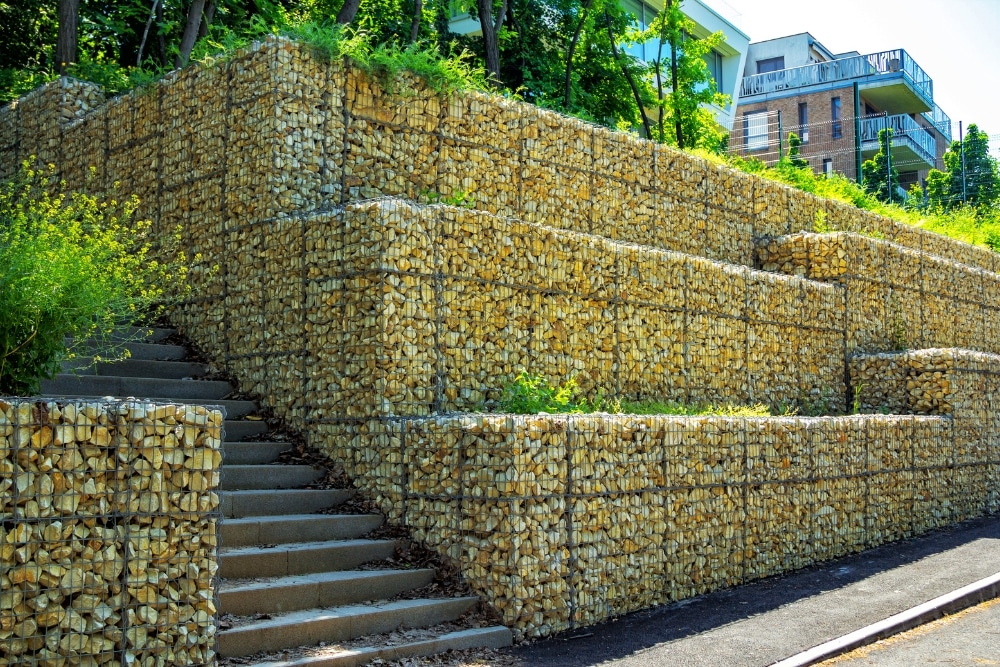
Dreaming of transforming your backyard with a stunning retaining wall? Hold your horses! Before getting your hands dirty, it’s crucial to understand Sydney’s retaining wall permit requirements. Navigating these regulations can feel like scaling a wall itself, but fear not — this updated guide will equip you with the knowledge to build your dream wall legally, safely, and with confidence.
With NSW planning rules continuing to emphasise safety, drainage, and neighbour impact, understanding when approval is required has never been more important.
What Determines If You Need a Retaining Wall Permit in Sydney?
When it comes to retaining walls and permits in Sydney, size, location, and design complexity all matter.
Height Thresholds (The General Rule)
In most Sydney councils, retaining walls under 600mm in height may not require formal approval if they meet other criteria. However, this is not a blanket exemption.
Larger walls, especially those over 1 metre, almost always require approval and engineering certification due to increased structural risk.
Key Situations Where a Permit Is Required (Regardless of Height)
Even a low retaining wall may need approval if it is located near sensitive areas:
- Within 1 metre of a property boundary
- Within 2 metres of another retaining wall
- Within 40 metres of a watercourse, creek, or drainage channel
- Within 1 metre of an easement (such as sewer, stormwater, or water mains)
- Supporting a driveway, building, or structure
- Affecting neighbouring land or soil stability
These rules exist to prevent land movement, drainage issues, and disputes between neighbours — all common causes of council enforcement action.
Design Complexity and Engineering
If your retaining wall includes any of the following, approval is usually required:
- Structural load-bearing function
- Stepped, tiered, or curved designs
- Use of concrete sleepers, masonry blocks, or reinforced concrete
- Drainage systems connected to stormwater infrastructure
- Construction on sloping or unstable ground
In these cases, councils typically require engineer-certified plans to demonstrate compliance with Australian Standards.
Local Council Rules Still Apply
It’s important to remember that Sydney is governed by multiple local councils, each with their own Development Control Plans (DCPs).
What may be exempt in one council area could require approval in another. Always check directly with your local council to confirm:
- Maximum allowable wall height without approval
- Boundary setback requirements
- Drainage and overflow rules
- Heritage or environmentally sensitive overlays
Councils are the final authority — not builders, neighbours, or online forums.
Demystifying the Retaining Wall Permit Process
While the approval process might sound intimidating, it’s very manageable with the right preparation.
Step 1: Identify Your Local Council
Determine which Sydney council governs your property and review their retaining wall or minor works guidelines. Most councils now provide online planning portals with downloadable checklists.
Step 2: Prepare Your Documentation
Think of this as laying the foundation for approval success.
You will typically need:
- Detailed site plans showing wall height, length, setbacks, and materials
- Engineering drawings (for walls over 600mm or load-bearing designs)
- Drainage details, including agricultural drains or weep holes
- Neighbour consent, if required due to boundary proximity
- Statement of environmental effects (for larger or sensitive sites)
Don’t underestimate the power of a pre-application meeting with your council. This informal chat can clarify requirements and save you time and frustration later. Contact your council directly to schedule a meeting.
Step 3: Submit Your Application
Most Sydney councils now accept applications via online lodgement systems. Ensure all documents are uploaded correctly and fees are paid upfront.
Step 4: Await Assessment and Approval
Assessment timeframes vary depending on:
- Council workload
- Wall size and complexity
- Whether neighbour notification is required
Simple applications may be approved in weeks, while more complex designs can take longer, which is why working with providers offering high-quality retaining wall solutions for Sydney homes and arranging a pre-lodgement meeting with the council can clarify requirements early and prevent costly redesigns later.
When Can You Build Without a Permit?
There are limited situations where a retaining wall may be exempt from approval — but caution is essential.
Small, Simple Retaining Walls
You may not need approval if the wall:
- Is under 600mm high
- Is not load-bearing
- Is set back from boundaries and easements
- Does not affect drainage or neighbouring land
These walls are usually considered low-risk landscaping features.
Decorative or Non-Structural Walls
Walls built purely for aesthetic purposes, such as:
- Garden edging
- Low planter walls
- Landscape terracing without soil pressure
may be exempt, provided it meets council setbacks and height limits. Always confirm exemption status with the council — assumptions can be costly.
What Happens If You Build Without Approval?
Constructing a retaining wall without the required permit can lead to serious consequences:
- Council fines and compliance notices
- Stop-work orders
- Forced demolition or modification
- Neighbour disputes and legal claims
- Insurance refusal if the wall fails or causes damage
Unapproved retaining walls are one of the most common reasons councils issue rectification orders in Sydney.
Why Permits Protect You (Not Just Council)
A permit isn’t just red tape — it’s a safeguard.
Approved retaining walls:
- Meet safety and engineering standards
- Protect neighbouring properties
- Manage drainage correctly
- Reduce long-term maintenance issues
- Preserve property value
In short, permits protect your investment and your peace of mind.
Conclusion: Build Your Retaining Wall the Right Way
With the right information, Sydney’s retaining wall regulations don’t have to be overwhelming. By understanding when approval is required, preparing proper documentation, and working with experienced professionals, you can move forward confidently.
Building a retaining wall is a long-term investment in your home’s functionality and appearance. Doing it right from the start saves time, money, and stress down the track.
Ready to transform your backyard with a retaining wall built to last? Contact A1 Gardening & Landscaping Sydney.
