


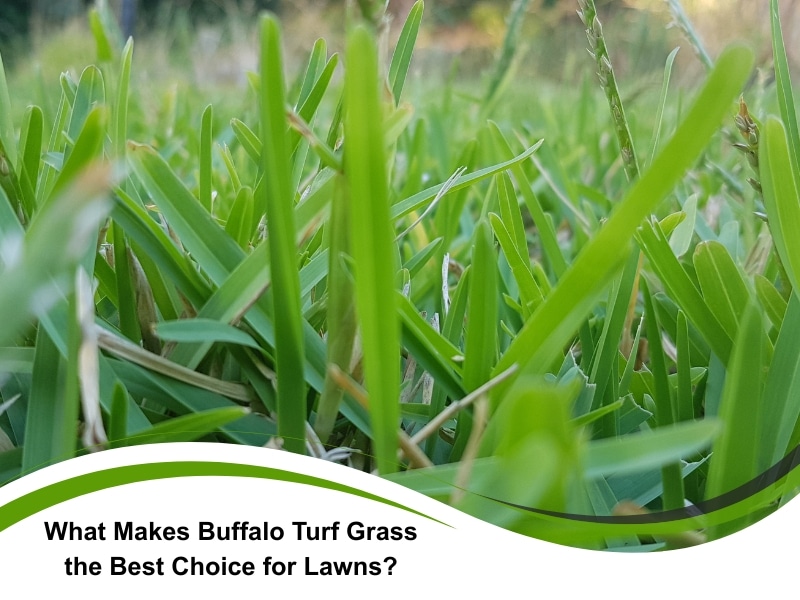
Imagine stepping out onto a lawn in summer where everything around is wilting—but your grass is still lush, cool underfoot, hardly thirsty. Buffalo turf grass does exactly that: it handles blazing sun, unexpected floods, shady corners—much better than many typical lawn types in Australia. If you’ve ever lost patches, watered until your hose is frayed, or watched your garden fade under trees, switching to buffalo can change things. This article explores what makes buffalo turf grass ideal for homes where toughness and lushness matter.
Why do some lawn types struggle in harsh Australian climates?
Many lawns falter because they simply aren’t built for extremes: heat, drought, and shade all take a toll on weak root systems, shallow grasses, and thirsty blades. Here are the common pain points homeowners face:
- Grass that curls up in midday sun, then browns overnight, because its roots haven’t dug deep enough into soil that retains moisture.
- Shade zones—under trees, beside walls—where the grass thins out, gets patchy, or fails entirely, losing its grip on soil and appearance.
- Huge demands on water: daily or frequent watering becomes the norm, costing more, wasting time, and stressing the grass with flood or drought cycles.
- Diseases or pests moving in—when the grass is weak, fungal spots, insects, or weeds exploit any opening to degrade more turf.
Ordinary lawn types often cost more in effort than they save. They demand constant attention, frequent replacing, and still don’t look good in tough spots. Buffalo turf grass, by comparison, survives and even thrives where most lawns give up.
Can ignoring turf quality lead to costly repairs?
When quality is overlooked—cheap turf, poor soil prep, weak root structures—you’re signing up for trouble later, often invisible until the bill arrives. Here are the hidden costs of compromising on turf quality:
- Replacing strips of lawn lost to rot or root disease because low‑grade turf was used instead of parts with strong root stock.
- Skyrocketing water and fertiliser bills, driven by grass that needs constant feeding and moisture to stay alive.
- Soil erosion or compaction becomes a problem around paths, slopes or edges, forcing remedial work (levelling, re‑soiling, drainage fixes).
- Neighbours notice weeds or bare patches spreading, forcing reseeding or costly fill‑ins instead of simple maintenance.
Ignoring turf quality doesn’t pay. Strong-quality turf, like buffalo, lessens those risks. You can also help stop issues early by knowing how to identify common signs of turf stress in lawns—yellowing, wilting, slow recovery after rain, that sort of thing—before repair costs mount.
How does poor grass choice impact the look of your home?
Appearance matters because a lawn is the first thing many see when they visit. Grass that’s uneven, faded, or patchy undermines the rest of your garden, no matter how much effort you put into flowerbeds or fences. Here are the aesthetic consequences people often notice:
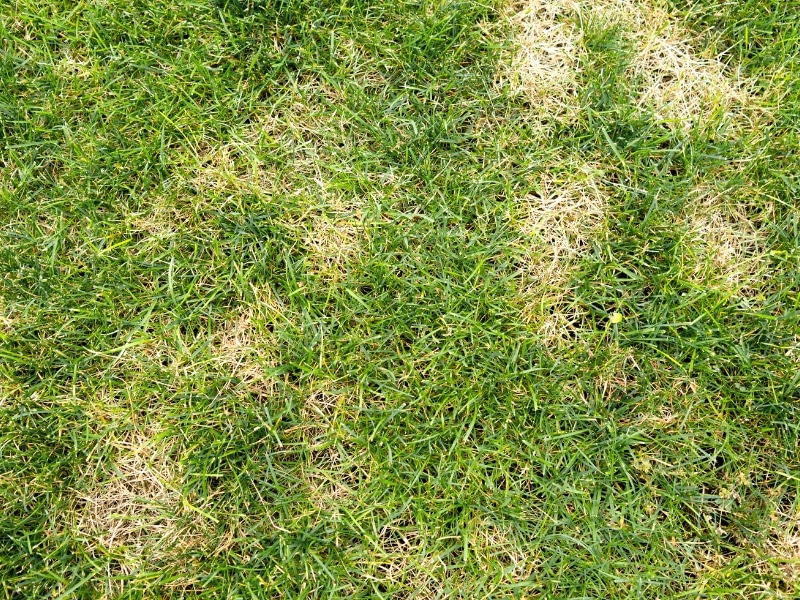
- One side of the yard looking lush and green, the other brown or sparse, especially under trees or in shade—creates an unbalanced, untidy feel.
- Bare patches that grow weeds instead of grass, especially where there’s traffic or irregular watering, make tidy mowing hard.
- Lawn edges at driveways or garden beds are losing definition—soil erosion, grass retreating, borders looking ragged.
- Mismatched texture and leaf width, where some grass types thrive in sun but look out of place in shade, cutting the overall unity of the lawn.
Choosing the wrong grass can undo positive features of your home. If you want consistency, a lush front yard, and a backyard that doesn’t embarrass you at family BBQs, you’ll benefit from applying proper watering techniques for healthy lawn growth as soon as buffalo is laid down.
Can buffalo turf grass reduce the time you spend on lawn care?
Buffalo turf grass cuts down maintenance time because it solves many of the recurring problems ordinary lawns suffer from: less mowing, fewer watering sessions, fewer patches. Here are the time-saving benefits it delivers:
- Deep roots reach moisture further down so you don’t need to water every evening; occasional deep soaking works better than constant light spraying.
- Shade tolerance and disease resistance mean you’ll spend fewer days treating spots, pulling out weeds, or replacing thin grass under trees.
- Growth pattern is less aggressive vertically but more spreading horizontally, so less frequent trimming of edges, fewer clippings.
- Resilience to wear—kids’ play, pets, footsteps—buffalo repairs itself more neatly, so you don’t have to replace large sections or seed constantly.
If you’re considering this lawn option for your property, it may help to explore reliable turf laying solutions for installing buffalo grass with experts who know local soil and climate quirks.
How does buffalo turf grass stay green in all seasons?
Maintaining green isn’t magic—it’s biology plus care. Buffalo turf grass stays green because many of its varieties manage moisture and shade better, and they bounce back fast after weather stress. Here are the mechanisms through which it maintains its colour and health:

- Dormancy under cold is brief; once mild weather returns, the grass revives, showing colour again without long brown spells.
- Broader leaves cut down moisture loss, and the turf draws water from the soil more efficiently than thin‑bladed types.
- Shade tolerance helps under trees or beside buildings, so even when the sun is limited, the grass doesn’t die out but holds through.
- Soil nutrition uptake remains balanced—if fertilised properly and not overfed—and lawns avoid stress that would otherwise invite disease or browning.
If you want your grass to look vibrant whether it’s dry midsummer or damp winter, you should also understand how soil health supports long-term land productivity—good compost, correct pH, organic matter all matter.
Why proper installation helps buffalo turf grass thrive long‑term
Even the hardiest buffalo grass won’t perform well if laid badly. Correct installation makes a big difference: soil prep, turf quality, seaming, watering all play roles. Here are the essential factors for installation that impact durability:
- Preparing the soil first: removing weeds, tilling, adding organic matter or sand where needed to improve drainage and root anchoring.
- Using turf from trusted suppliers so it arrives with strong root mats, minimal damage, and consistent thickness.
- Seaming the rolls tightly, levelling the ground so there’s no low spot collecting water, firming soil so roots make contact, and reducing air pockets.
- Establishing watering patterns after laying: keeping soil moist without saturating, gradually reducing frequency as roots set.
Here’s a quick breakdown of key installation elements and how they affect turf performance:
| Installation Element | Why It Matters |
| Soil preparation | Promotes deeper rooting, prevents pooling and compaction |
| Turf quality | Ensures healthy root systems and reduces chance of pests or disease |
| Lay technique | Prevents gaps, uneven growth and future soil erosion |
| Watering schedule | Helps roots settle and adapt without stress or shock |
Missed steps during installation often lead to patchy establishment, pooling, or poor root depth—issues that show up later and require extra effort. Doing it properly reduces ongoing maintenance.
Final thoughts on choosing buffalo turf grass for home lawns
Choosing the right turf isn’t only about what looks good today—it’s about what holds up next season, next year, and through every stretch of drought or downpour. Buffalo turf grass ticks that box. It’s hardy, low-fuss, and keeps its colour even when other grasses tap out. If you’re ready to invest in a lawn that lasts and doesn’t constantly need fixing, discover how A1 Gardening Sydney turns turf installations into thriving lawns.
