


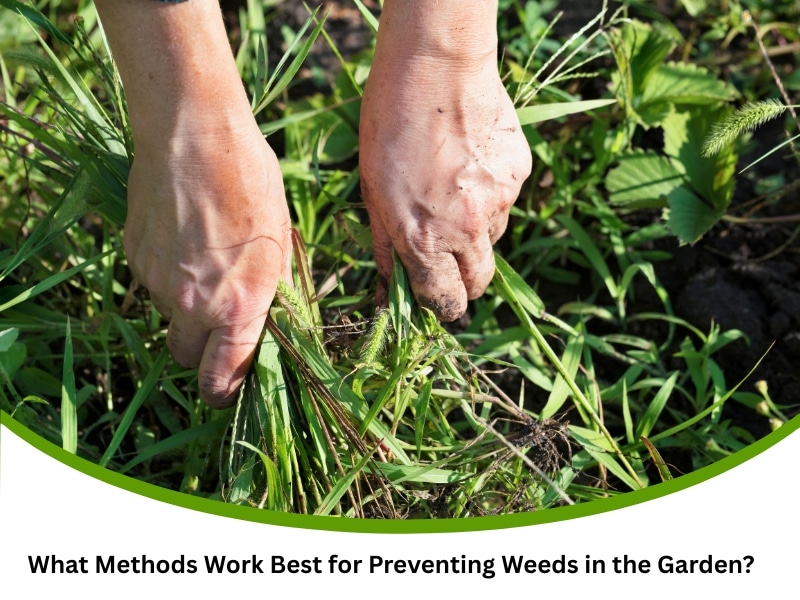
If you’re constantly pulling out weeds only to have them grow right back, you’re not alone. Weeds are stubborn, and no matter how much time you spend weeding, they always seem to find a way back. It’s frustrating, especially when they start choking the life out of your plants. You might be wondering where it all goes wrong. This article explores the habits that give weeds a foothold, why some methods fall flat, and how to shift your approach with smarter strategies for preventing weeds in garden spaces—keeping your garden looking its best without working twice as hard.
How do weeds become a persistent problem for gardeners?
Weeds stick around because they’re really good at spotting opportunities. They jump on bare patches, soak up extra nutrients, and grow faster than just about anything else in your yard. That’s what makes them such a hassle. Here are the reasons weeds keep coming back:
- They drop loads of seeds, which sit in the soil until conditions are just right.
- Whenever there’s exposed soil, weeds sneak in and take over before your plants can fill the space.
- Some species send roots deep or spread underground, so even if you pull the tops, they come back.
- Weeds often win because they’re quicker to use up water and nutrients than the plants you actually want.
Without changing the conditions that favour weeds, pulling them out is only a short-term win.
Why do traditional weeding methods often fail over time?
Old-school weeding techniques don’t always go deep enough—literally or figuratively. They remove what you see, not what’s hiding beneath. Here are the reasons why basic weeding methods fall short:
- Pulling weeds can miss roots or stir up more weed seeds lurking below the surface.
- Chemical sprays kill the top but leave the root system and seed bank untouched.
- Tilling and turning soil often bring hidden weed seeds to the surface, where they sprout.
- Skipping mulch or spacing plants too far apart leaves room for weeds to take over.
It’s like patching a leaky hose without checking the pressure—fixing one part doesn’t solve the whole problem.
Are common gardening habits stopping you from preventing weeds in the garden?
Sometimes it’s not just what you do, but how you do it that encourages weed growth. Some everyday habits could be setting your garden back without you realising it. Here are a few common pitfalls to avoid:
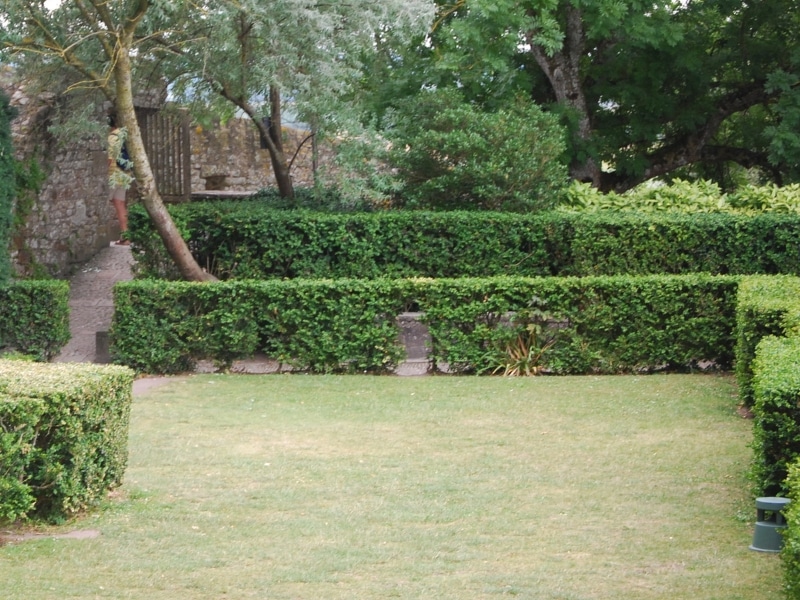
- Leaving gaps in your garden beds creates an open invitation for weeds.
- Watering bare soil gives weed seeds exactly what they need to germinate.
- Using too little mulch—or forgetting to top it up—won’t block light from reaching weed seeds.
- Skipping soil checks can lead to poor growing conditions for your plants, giving weeds the upper hand.
- Rearranging garden beds without planning for weed barriers can undo previous progress.
Making small adjustments here can have a big impact over the long run.
Which natural techniques work best for preventing weeds in the garden?
Natural methods work well because they change the conditions that weeds love. You don’t need to rely on harsh sprays when your garden does the hard work for you. Here are the natural tricks that get results:
- Lay down organic mulch thick enough (about 5–7 cm) to block sunlight and slow weed growth.
- Try no-dig gardening—less soil disturbance means fewer buried seeds come to the surface.
- Pull weeds early while they’re small and before they set seed.
- Plant close together to leave no room for weeds to sneak through.
These simple changes can shift your garden from weed-prone to weed-resistant. If you’re after long-term results, reliable weed control solutions are your best bet for managing weed-prone areas without overdoing the maintenance.
Are organic mulches and ground covers useful for preventing weeds in the garden?
Absolutely. Organic mulch and ground covers work as a physical barrier and natural filter. They reduce how many of weeds that pop up and even improve the soil at the same time. Here’s how they help:
- Mulch covers soil, stopping light from reaching weed seeds and keeping them from sprouting.
- Ground covers grow low and wide, filling empty spaces that weeds would otherwise invade.
- As mulch breaks down, it adds nutrients to the soil and builds a better growing environment.
- Both help balance soil temperature and moisture, making it tougher for weeds to thrive.
Mulch vs Ground Cover: Quick Comparison
| Feature | Organic Mulch | Ground Covers |
| Stops weeds | Yes, blocks light | Yes, covers space |
| Boosts soil health | Yes, as it breaks down | Yes, via root systems |
| Reduces watering | Yes | Yes |
| Effort to apply | Easy to spread regularly | Needs planting and shaping |
Using both together gives you solid, low-maintenance protection for your garden beds. To step it up, combine these with smart spacing, and you’ll notice a big difference in ways to keep unwanted weeds under control.
How can seasonal garden care help reduce weed regrowth?
Each season brings new challenges—and chances to stop weeds before they start. Staying in rhythm with the seasons keeps weeds on the back foot. Here are tasks to keep weeds in check all year:
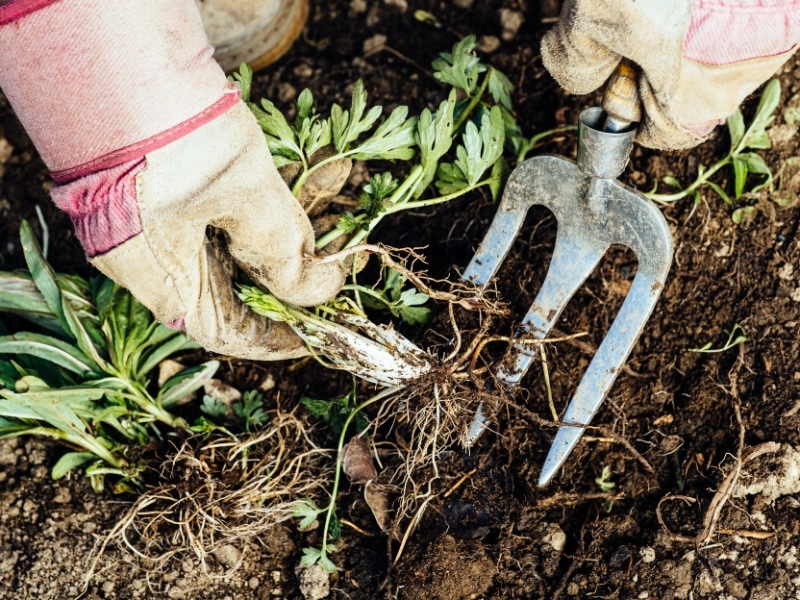
- Spring: Clear away dead leaves and prep beds before seeds get a chance to germinate.
- Summer: Refresh mulch and water strategically to avoid over-saturating bare patches.
- Autumn: Pull out spent plants and reseed ground covers while the soil’s still warm.
- Winter: Lightly tidy the surface, check for early signs of weed growth, and plan ahead.
Staying in tune with the seasons lets you act before weeds take hold. Timing and consistency are key to keeping your garden thriving and weed-free year-round. Maintaining responsible gardening practices for a healthier lawn helps align your seasonal maintenance with eco-conscious weed control.
Why is healthy soil a crucial part of weed prevention?
Healthy soil builds stronger plants—and strong plants crowd out weeds, preventing weeds in the garden over the long haul. When your soil’s got the right structure, moisture and nutrients, weeds have a harder time getting established. Here’s how soil health makes a difference:
- Rich soil helps your plants grow faster, blocking sunlight and stealing space from weeds.
- Well-aerated beds let water flow evenly, making it harder for weeds to dominate certain spots.
- More organic matter boosts microbial activity, which helps suppress weed-friendly conditions.
- Balanced pH gives your plants the edge, reducing the chance for aggressive weed types to take over.
Focus on improving soil health for long-term garden growth, and you’ll spend less time on your knees digging out weeds.
Final thoughts on achieving a weed-free and healthy garden
Weeds don’t have to win. With a few changes—from smarter spacing to seasonal upkeep—you can build a garden that keeps them out naturally. And when you’re ready to get help or explore more advanced options, see how A1 Gardening & Landscaping Sydney creates a weed-free and healthy garden that stays vibrant all year round.
