


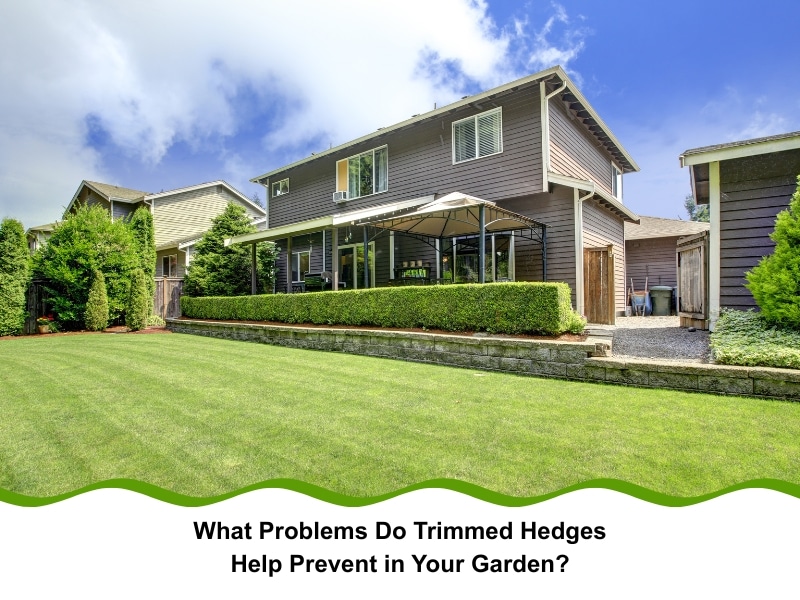
Trimmed hedges help prevent overgrowth, pest infestations, poor plant health, and structural issues that affect both garden design and property value. If you’ve ever looked out the window and thought, “That hedge’s getting a bit outta hand,” you’re not alone. Letting it slide might seem harmless for a while — until it starts choking your garden, inviting pests, and turning a neat space into a bit of a jungle. That’s the thing with hedges: leave them too long and they go rogue. In Sydney, where plants grow fast and full, it doesn’t take much. But with some simple, timely hedge trimming, you can avoid a lot of garden grief. It’s not about perfection — it’s about prevention.
Why do trimmed hedges prevent common garden problems?
Trimmed hedges prevent common garden problems by controlling overgrowth, allowing airflow, supporting plant health, and maintaining garden structure. Let a hedge do its own thing too long, and it’ll make your garden feel smaller, darker, and less manageable. That’s why many homeowners choose reliable hedge trimming services in Sydney for better garden aesthetics — it’s the simplest way to stay on top of growth and avoid major cleanups later.
- Too much growth too fast – Without regular cuts, things get tangled and messy real quick.
- Odd shapes show up – You’ll see the top bulging while the bottom thins out. That top-heavy look never works.
- No light, no airflow – The inside dies off, mould turns up, and the whole thing starts rotting from within.
- Health takes a hit – Old branches hog space while new growth struggles underneath.
- Neighbours get cranky – Once it crosses into someone else’s yard or the footpath, it’s not just your problem anymore.
A little effort every couple of months makes a big difference — and your whole garden breathes easier for it.
What risks come from hedges blocking light and airflow?
When hedges block light and airflow, they create conditions for fungal growth, plant decay, and weakened biodiversity. It creeps in quietly. One day you’re admiring the shade, and the next — mould, drooping leaves, and mystery bugs underneath. Blocked airflow and light are silent troublemakers.
- Wet leaves stay wet longer — fungus loves that.
- Shade builds inside the hedge — nothing grows in there, and it starts turning brown.
- Damp soil never dries — roots suffer, and plants nearby get soggy feet.
- The whole undergrowth gets smothered — native plants, herbs, or whatever’s nearby, they struggle to thrive.
When shaping hedges, taper the top slightly to allow light to reach the base. It’s a small trick that makes a huge difference. Using sharp hedge trimmers or shears provides clean, precise cuts, which heal better and cause less damage to the plant.
Can untrimmed hedges spread pests and diseases?

Yes—untrimmed hedges can trap moisture, attract pests, and spread diseases that damage other plants and hedge health. You’d be surprised how fast a sick spot in a hedge spreads. One damp, shady clump turns into a clump of yellowed leaves, bug infestations, and spots popping up on everything nearby.
- Bugs love the hidden corners — especially sap-suckers and caterpillars.
- Fungal spores hang around in the dead growth — powdery mildew’s a classic.
- Branches start dropping, or worse, snap in strong wind.
- Infected bits touch other plants — and there it goes.
Regular hedge pruning sorts most of it. You don’t need to go full topiary mode — just enough to open things up and keep the air moving. Spot a problem? Trim it out, clean your tools, and bin the waste (don’t compost it if it’s diseased).
When is the best time of year to cut hedges for healthy results?
The best time to cut hedges is during cooler seasons like late winter or early spring, depending on the hedge species. Every hedge grows on its own schedule. Planning your trims around seasonal hedge maintenance to prevent leaf loss can also reduce stress on the plant and give you healthier regrowth.
| Hedge Type / Species | Best Time to Trim | Notes on Frequency & Timing |
| Lilly Pilly / Photinia | Late winter or early spring | Shape in spring; tidy again mid-summer |
| Pittosporum | Autumn or early spring | Twice a year is often enough |
| Conifer | Late spring or early summer | Avoid heavy cuts into old wood |
If you’re working with faster growers, like a viburnum hedge, expect to trim every 4–6 weeks in warmer months. Slower types might only need attention once or twice a year. Golden rule: Don’t trim in a heatwave or right before a frost. Give the plant time to recover when conditions are steady.
How do trimmed hedges improve property value and garden design?

Trimmed hedges enhance property value and garden design by improving curb appeal, creating structure, and framing outdoor spaces. You know the look — a freshly cut hedge, straight lines, no straggly bits.
Suppose you’re working with limited outdoor space. In that case, you might find inspiration in small garden design ideas that maximise space utilisation, utilising hedges as natural dividers without making the area feel cramped.
- Curb appeal jumps – Buyers and passers-by notice tidy spaces.
- Property feels structured – Even a basic lawn looks sharp with clean edges.
- Design looks intentional – Framing a path or blocking off a corner adds to the vibe.
- Privacy without clutter – Neat hedges give you cover without closing things in.
In smaller Sydney blocks, garden design often relies on hedges to shape outdoor space. When they’re adequately trimmed, they do the job without stealing the show.
Which tools and techniques keep trimmed hedges healthy and damage-free?
Using sharp tools like pruners, shears, or trimmers with proper shaping techniques ensures hedges stay healthy and avoid long-term damage. You don’t need every tool on the shelf, but the right ones — and keeping them clean and sharp — matter more than most folks realise.
Grab these basics:
- Pruners – for precise snips and small branches.
- Shears – good for light trimming and detail work.
- Electric trimmer – for bigger hedges, speeds things up heaps.
- Loppers – essential for thick or older growth.
A few handy habits:
- Trim with a taper — wider at the base so the whole plant gets sun.
- Don’t butcher it — regular light trims are better than one big chop.
- Watch for pests or yellowing leaves while you’re working.
- Disinfect tools if you’ve cut diseased sections — don’t spread it around.
Suppose you’re aiming for longevity in your outdoor space. In that case, it’s worth looking into broader approaches like sustainable garden design planning — these principles work hand-in-hand with regular hedge care to create healthier, more resilient landscapes.
Final thoughts on maintaining trimmed hedges in Sydney gardens
Consistent trimming with the right tools, timing, and technique keeps hedges healthy, attractive, and free from avoidable garden issues. You don’t need to be a pro to keep hedges under control. Most of the time, it’s about staying regular — not perfect. A quick check every few weeks, a light trim when it needs it, and the right tools for the job. Pay attention to seasonality and species. Some hedges grow like weeds and require more attention; others sit tight until spring. And when in doubt, look for signs: yellow leaves, blocked paths, or sagging tops — that’s your hedge asking for help. If it ever feels like too much, or you’re unsure where to start, consider asking A1 Gardening & Landscaping Sydney for guidance. Local advice from people who’ve worked on Sydney hedges for years can save you time and hassle.
