


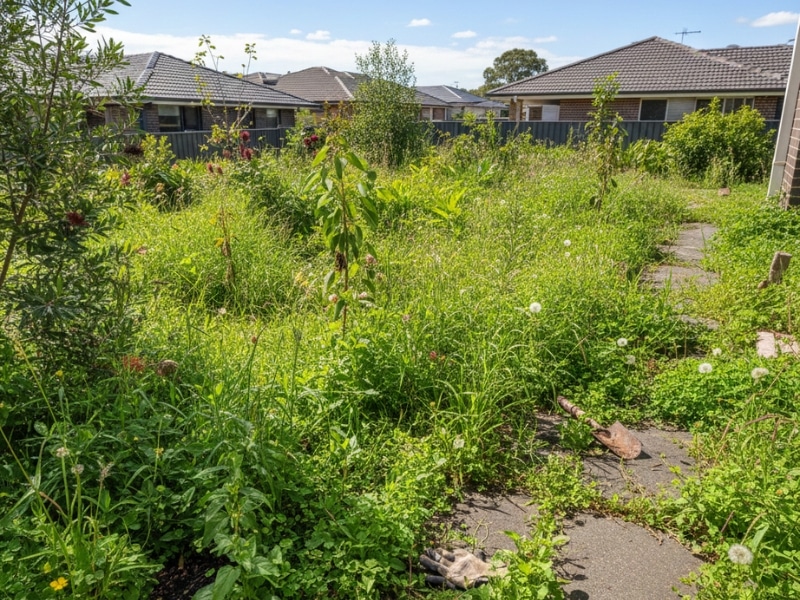
Sydney homeowners often feel like weeds grow faster than anything else in their garden. You pull them out, clean up the beds, mow the lawn — and within days they’re back again. Whether it’s bindii, onion weed, dandelion, clover or creeping oxalis, Sydney’s climate creates the perfect environment for weeds to thrive.
And the truth is simple: weeds grow fast in Sydney because the weather helps them. Warm conditions, regular rainfall and nutrient-rich soils all play a part in helping weeds germinate, spread and regenerate faster than most garden plants.
But the good news is that once you understand why weeds grow so quickly, you can put the right strategies in place to keep them under control all year. This guide breaks down the climate science behind Sydney’s weed problem, the most aggressive local weeds, and proven methods for preventing regrowth — including when it’s time to call in professional weeding services Sydney homeowners rely on through dedicated specialists.
Why Sydney’s Climate Accelerates Weed Growth
Sydney’s weather plays a major role in weed behaviour. Sydney’s weather data shows that warm temperatures, humidity and reliable rainfall create ideal weed-growing conditions according to BOM climate data. These environmental factors mean weeds can germinate faster, root deeper and outcompete lawn and garden plants throughout the year.
Let’s look at the main reasons.
High Humidity Boosts Rapid Germination
Humidity acts like a growth enhancer for weed seeds. Many of Sydney’s most persistent weeds can begin germinating in as little as 24–72 hours after rain, especially during humid periods.
Weeds only need three things to germinate:
• warmth
• moisture
• a little light
Sydney provides all three with ease. This is why weeds such as clover, creeping oxalis and dandelions appear so quickly after wet weather.
Frequent Rainfall Feeds Deep Root Systems
Sydney receives rainfall throughout the year, not just in summer. Frequent showers keep the soil moist, which allows weeds to:
• grow new lateral roots
• spread underground bulbs or tubers
• push through mulch
• compete aggressively with lawn grasses
This is why new weed patches appear immediately after wet weeks.
Sydney’s Nutrient-Rich Soils Encourage Growth
Much of Sydney’s soil is:
• well-drained
• rich in organic matter
• sandy loam based
These soil conditions are perfect for fast-growing weeds, especially taproot and bulb-based varieties like onion weed and dandelions.
Mild Winters Allow Year-Round Activity
Sydney rarely experiences severe frosts. As a result, weeds never truly “die off.” Even during winter they:
• remain semi-active
• build root mass
• prepare for spring germination
This makes weed control in Sydney a 12-month job, not something reserved for summer alone.
Weeds That Thrive in Sydney Gardens
Several aggressive weed species dominate Sydney gardens. Understanding their growth habits helps you remove them correctly and prevent regrowth.
Bindii
Famous for its painful prickles, bindii spreads across lawns and thrives in compacted, moist soil. If left untreated, it can take over entire lawn areas within one season.
Nutgrass
One of Sydney’s most notorious weeds, nutgrass spreads using underground tubers. If even a single tuber remains after removal, the weed will return — often stronger than before.
Clover
Clover loves humid, nutrient-rich soil. It forms root systems rapidly and spreads through runners that take advantage of bare patches in your lawn.
Dandelions
Dandelions produce deep taproots and airborne seeds, making them highly resilient. Their seeds spread quickly after windy days, which is common in coastal Sydney.
Onion Weed
This bulb-based weed multiplies rapidly when disturbed. Breaking bulbs during DIY removal causes the weed to spread more aggressively.
Why DIY Weeding Often Doesn’t Work in Sydney
Many homeowners work hard to remove weeds, but unknowingly encourage them to grow back. Sydney’s climate and soil conditions make common DIY mistakes more problematic.
Pulling Weeds Incorrectly
Simply pulling weeds out by hand often leaves behind:
• roots
• fragments
• bulbs
• tubers
These leftover pieces regenerate, leading to faster regrowth.
Disturbing Soil Triggers New Germination
Sydney soil contains thousands of dormant weed seeds. Disturbing the soil through pulling, digging or raking brings dormant seeds closer to the surface, activating them when exposed to light.
Wrong Chemicals or Wrong Timing
Not all weed killers work on all weeds. Bulb and taproot weeds require targeted treatment, and many chemical solutions must be timed around:
• rainfall
• soil temperature
• seasonal growth patterns
Incorrect timing reduces effectiveness.
Inconsistent Maintenance
Weeds rarely take a break. In Sydney, if you go:
• more than 1–2 weeks in summer
• 3–4 weeks in spring or autumn
• a month in winter
you may already have new weeds germinating.
Proven Ways to Keep Weeds Under Control All Year in Sydney
Weed prevention isn’t just about pulling weeds out — it’s about understanding Sydney’s environmental patterns and removing their opportunities to spread.
These methods consistently deliver results for Sydney homeowners.
Follow a Seasonal Weeding Schedule
A proactive schedule ensures weeds never get ahead of you.
Summer — Peak Growth Season
• Weekly weeding
• Treat taproot weeds early
• Monitor lawns after rain
Autumn — Seed Drop Season
• Remove weeds before seeds mature
• Apply pre-emergent treatments
• Re-mulch garden beds
Winter — Slower Growth but Still Active
• Monthly checks
• Remove bulb weeds
• Prepare soil for spring
Spring — Rapid Germination
• Inspect twice weekly
• Uproot weeds before flowering
• Add edging and replenish mulch
Improve Soil Health
Weeds thrive in stressed soil. Improving your soil reduces the spaces weeds can occupy.
Recommended techniques include:
• soil aeration
• adding compost
• balancing pH
• improving drainage
Healthy soil grows stronger plants — leaving fewer gaps for weeds.
Use Mulch as a Weed Block
Mulch is one of the strongest weed prevention tools available to Sydney gardeners. A 7–10 cm layer:
• blocks sunlight from weed seeds
• regulates soil moisture
• reduces germination
• protects root systems
Eucalyptus mulch, pine bark and hardwood mulch all perform well.
Install Quality Edging
Edging prevents lawn weeds from creeping into garden beds. Metal and stone edging offer long-term stability and a clean look.
Plant Groundcovers to Block Weeds Naturally
Dense plants provide natural weed suppression. Sydney-friendly options include:
• creeping boobialla
• native violet
• lomandra varieties
These plants form natural shade that prevents germination.
When to Call Sydney’s Professional Weeding Experts
Some weeds grow too quickly or become too established for DIY control — particularly nutgrass, onion weed and dandelions. In these cases, Sydney homeowners often rely on expert weeding services Sydney homeowners trust for long-term results.
Specialists provide:
• correct weed identification
• targeted root-level removal
• safe chemical treatments
• ongoing prevention plans
• soil improvement recommendations
Many homeowners work with A1 Gardening & Landscaping Sydney through their dedicated service offering for professional weeding services across Sydney, available here via natural anchor: expert weeding services Sydney homeowners rely on
This ensures weeds are removed properly — and stay gone.
A Year-Round Weed Prevention Plan for Sydney
To stay ahead of Sydney’s climate, your weed control plan should include:
• seasonal inspections
• soil optimisation
• mulch replenishment
• prompt removal of new weeds
• edging maintenance
• professional help when regrowth persists
A strategic, climate-aware approach ensures your garden stays healthy all year.
