
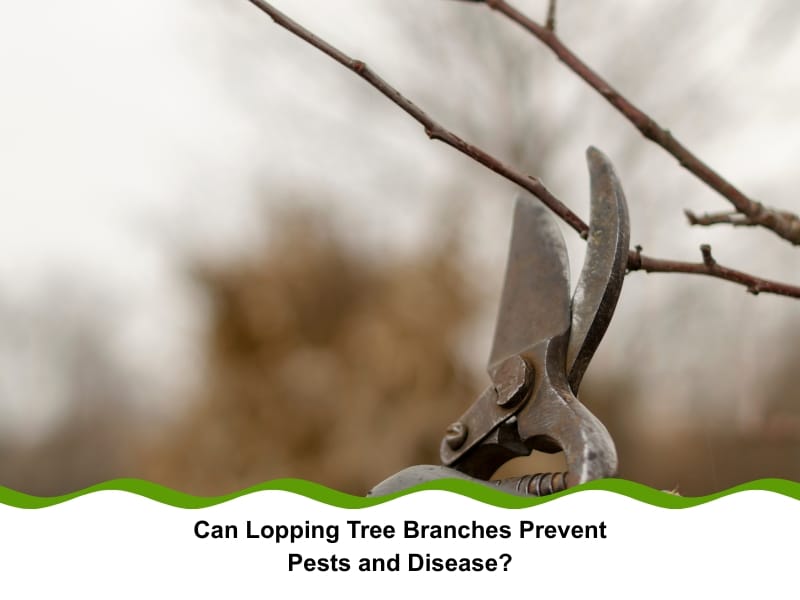
Targeted pruning interrupts the conditions pests and pathogens need to take hold, so your trees stay stronger for longer. In practical terms, lopping dead, crossing, or infected branches reduces moisture traps, improves airflow, and removes easy bridges for insects and spores. Sydney’s stop–start weather can turn minor issues into costly headaches without warning, so keeping the structure tidy isn’t overkill; it’s smart garden hygiene. You’ll also reduce wind leverage on weak forks and stop limbs scraping roofs or gutters, which keeps repairs off the cards. By focusing on structure and sanitation rather than heavy topping, you build resilience without stalling growth. This article shows how lopping tree branches fits into seasonal care to limit pests and disease while keeping your garden looking sharp.
Why is lopping tree branches important for tree safety and growth?
A healthy structure limits wounds, moisture pockets, and shade-bound dieback, making trees less inviting to pests and disease. Good cuts at the branch collar also speed sealing and keep sapwood active. For practical guidance in Sydney conditions, many households build a maintenance plan around efficient tree lopping methods for long-term garden maintenance, while adapting to species and site conditions. With that in place, trees carry load better and need fewer emergency fixes—no dramas.
Here are the safety and growth priorities:
- Structural balance: Shorten end-weight and remove double leaders before they split.
- Sanitation first: Remove dead and diseased wood, and rub down cut surfaces to cut infection routes.
- Collar-respecting cuts: Angle correctly to protect cambium and speed sealing.
- Crown density control: Keep inner foliage so scaffold wood doesn’t sunburn.
- Hygiene on tools: Disinfect between trees and after infected cuts.
- Waste handling: Bag or mulch clean material; bin disease sources the same day.
Across most species, the aim is fewer weak unions and fewer wounds. That equals fewer pest entry points and a tidier canopy that can handle wind. Pushing lopping too far, though, and stress from over-pruning invite water shoots and decay. A measured plan wins the day.
How does lopping tree branches reduce storm-related tree damage in Sydney?
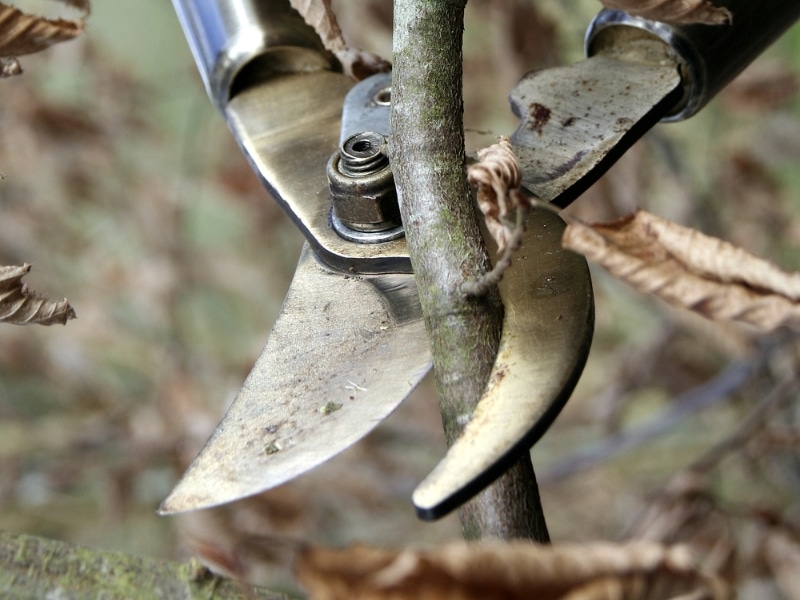
Storms punish long levers, decayed unions, and cluttered tips. By reducing end-weight and thinning congested zones, wind passes through rather than tearing limbs away. As a result, there’s a lower risk during storms and fewer roof or fence strikes. For seasonal planning that fits real life, many gardeners schedule pre-summer checks, then refine after big blows when it’s safe. Here are the storm-readiness actions:
- Tip reduction on hazards: Shorten limbs over driveways, play areas, and sheds.
- Remove hangers and cracks: Prioritise limbs with visible fractures or bark folds.
- Balance the crown: Correct dominant leaners to reduce torsion in gusts.
- Clearance from structures: Maintain a safe distance from tiles, gutters, and windows.
- Secure access and rigging: Use controlled lowering where targets are close.
- Post-storm inspection: Mark fresh wounds early to stop pests from moving in.
End-weight management also reduces breakages, which open pathways for borers and fungi. When mapping seasonal touchpoints, it’s handy to consider the benefits of regular pruning for healthier Sydney gardens mid-year, so prep isn’t left to the last minute.
When should homeowners consider lopping tree branches for maintenance?
Timing affects healing, regrowth, and pest pressure. Late winter reveals structure and reduces sap bleed for many species, while post-flowering trims protect next season’s show. During heatwaves or prolonged wet weather, keep cuts conservative to avoid stress and spread. Here are the timing cues:
- Late-winter structure: Shape frameworks while leaves are sparse and pests are quiet.
- Post-flowering tidy: Prune after bloom to protect buds and wildlife.
- Growth-flush checks: Light formative work guides young trees without stunting.
- Weather windows: Avoid cutting on drizzly days, as these favour spore spread.
- Species nuance: Tailor timing for eucalypts, citrus, and stone fruit differences.
- Tool schedule: Sharpen and sanitise before each session to keep wounds small.
Green waste management is part of the timing picture. Piles can harbour insects and spores that can infect a tick. That’s why many gardeners fold removal into the day’s plan and lean on the fact that removing green waste keeps your garden thriving for disposal options that keep disease pressure down. Plan the work, clean the site, and your trees get a fair go to recover.
How can professional lopping tree branches improve tree longevity?
Skilled crews stage reductions, protect the branch collar, and avoid topping, which preserves energy reserves and stability. Over several seasons, this approach keeps the structure sound while encouraging balanced regrowth that doesn’t fail under load. Here are the longevity drivers:
- Staged reductions: Spread significant changes to limit shock and water shoots.
- Correct cut selection: Reduce to laterals sized to carry new growth.
- Canopy light management: Maintain dappled light to keep inner foliage alive.
- Species-specific tactics: Adjust for brittle gums vs. flexible ornamentals.
- Root–shoot balance: Match canopy work to site moisture and soil health.
- Monitoring plan: Photograph defects and track closure over time.
Done well, professional work supports Improved canopy airflow and promotes Cleaner cuts, faster healing, and a quick closure. It also means fewer reactive call-outs after storms.
What are the safety standards for tree lopping services in Sydney?
Safety starts with planning, not the first cut. A proper job maps targets, selects anchor points, and sets traffic controls before any rigging goes up. For leased properties, legal responsibilities may apply; it’s wise to consider guidelines for managing trees on leased land in Australia so approvals and duties aren’t missed. Here are the key safety standards:
- Pre-start risk assessment: Identify defects, hazards, and escape routes.
- Qualified personnel: Engage insured, trained arborists with current tickets.
- Maintained equipment: Check saws, rigging, and PPE for safe operation.
- Public protection: Use cones, signs, and spotters around footpaths.
- Tool hygiene: Sanitise between trees to limit pest and disease spread.
- Waste logistics: Secure, separate, and dispose of contaminated loads fast.
Safety checklist at a glance
| Safety element | What to confirm | Why it matters |
| Risk assessment | Defects, targets, access | Reduces surprises and rushed decisions |
| Qualifications | Evidence of training and insurance | Confirms competence and liability cover |
| Equipment | Saws, rigging, PPE checks | Prevents failures and injuries |
| Traffic control | Cones, signs, spotters | Protects pedestrians and vehicles |
| Hygiene | Disinfection and waste plan | Limits the spread of pests and disease |
Work that respects standards protects people, property, and trees. With controls in place, pruning stays efficient and less stressful for neighbours—on the money and off the worry list.
Why should you hire certified arborists for tree health and maintenance?
Certified specialists bring science to the job, matching techniques to species biology and site conditions. They also coordinate teams so that climbing, rigging, and cutting are done safely around homes and fences, not directly to the keeper. Here are the professional advantages:
- Diagnostic skill: Spot decay, weak unions, and pest vectors early.
- Cutting discipline: Use collar-respecting angles and clean finishes.
- Load management: Reduce lever arms without stripping inner foliage.
- Clear documentation: Provide photos and notes for future planning.
- Seasonal staging: Align work with flowering and growth cycles.
- Site respect: Protect lawns, beds, and structures during access.
You gain predictable outcomes and fewer headaches later. With proper staging and records, maintenance becomes routine rather than reactive, which keeps budgets tidy and trees healthier for longer.
Final thoughts
Lopping tree branches won’t stop every pest or pathogen, but it shifts the odds in your favour by improving structure, airflow, and sanitation. Plan around seasons, use clean cuts, and manage waste the same day to avoid flare-ups. When conditions are complex, arrange tailored guidance and ask A1 Gardening & Landscaping Sydney about professional tree care solutions so work is staged safely, legally, and in line with your goals—no dramas.

