
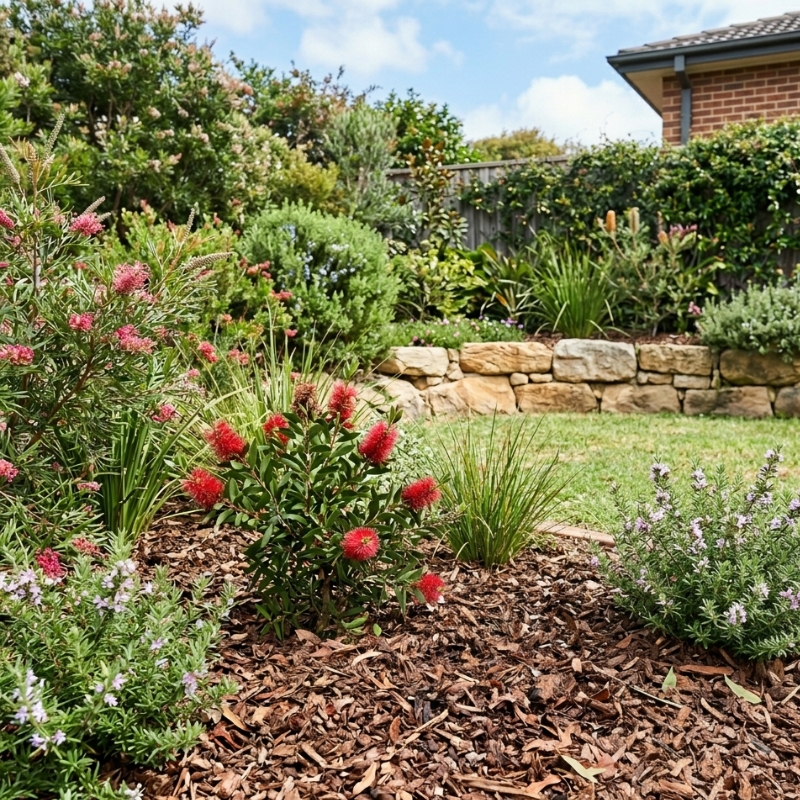
A few years ago, knocking weeds on the head often meant reaching for a broad-spectrum herbicide. Today, tighter council guidelines, bushfire risk awareness and families wanting safer backyards mean many Sydneysiders are looking for greener approaches. The good news? You can still get on top of bindii, nutgrass and wandering trad without resorting to heavy chemicals—provided you match the method to our local weather, soil quirks and seasonal weed cycles. Below you’ll find seven techniques that have been road-tested in Greater Sydney gardens, plus tips on when DIY is enough and when professional weeding help can save you hours of frustration.
Why Traditional Herbicides Are Losing Ground in Sydney
Sydney councils have progressively restricted the use of certain glyphosate-based sprays in playgrounds, verges and high-use public areas. Home gardeners are following suit, motivated by:
- Health concerns for kids, pets and native wildlife
- Overspray risks in breezy coastal suburbs
- Growing awareness of herbicide-resistant weed species such as fleabane
- The rise of native bee keeping and pollinator-friendly gardening movements
For homeowners, the shift means learning smart alternatives rather than letting onion weed or kikuyu runners take over.
What Makes a Weed Control Method “Eco-Friendly”?
An approach isn’t automatically green just because it skips synthetic chemicals. In practice, sustainable weed control should:
- Limit collateral damage to beneficial insects, earthworms and nearby ornamentals
- Avoid introducing pollutants into stormwater systems that feed Sydney Harbour
- Require minimal fossil-fuel inputs or single-use plastics
- Comply with local fire ban regulations and safe water use practices
- Support long-term soil health rather than creating hardpan or nutrient imbalance
Keeping these criteria front of mind will help you choose solutions that win the weed war without harming the ecosystem you’re trying to protect.
Understanding Sydney’s Weed Pressures
Sydney’s climate throws gardeners two main curveballs: erratic rainfall patterns and humid summers. Combine those with clay-based soils in the west and sandier profiles near the coast, and you get ideal germination conditions for opportunistic plants. Key seasonal triggers include:
- Late-summer thunderstorms that wake up dormant weed seeds
- Autumn’s mild temps that help winter annuals like capeweed establish
- Spring warmth encouraging warm-season nasties such as nutgrass and cudweed
- Winter soil compaction in heavy clay areas, creating bare patches where weeds out-compete lawn roots
By aligning your eco-friendly strategy with these patterns—rather than reacting after weeds set seed—you’ll need far less effort overall.
7 Eco-Friendly Weed Control Methods That Work in Sydney
Before diving in, here’s a quick snapshot to help you pick the right tactic for each problem area:
| Method | Best Suits | Key Benefits | Watch-outs |
| Smart Hand-Pulling | Isolated weeds in garden beds | Immediate removal, no equipment | A disturbing soil surface can stimulate new seeds—replace the mulch straight after |
| Solarisation | Veggie beds pre-planting | Kills seeds & soil-borne pests; no chemicals | Needs 4–6 weeks of strong sun; avoid during water restrictions |
| Organic Mulching | Paths, tree rings, perennial beds | Smothers light-loving weeds, adding nutrients | Thickness matters—5–7 cm is ideal, but avoid piling against trunks |
| Native Groundcovers | Slopes, difficult corners | Forms a living mulch; low water once established | Requires weed-free soil at planting; control runners to stay tidy |
| Boiling Water & Vinegar Spot Sprays | Cracks in paving, edges | Cheap, kitchen-cupboard ingredients | Can scorch grass, must be reapplied; vinegar may alter pH |
| Flame Weeding Torches | Gravel driveways, pre-plant beds | Quick for broad areas; no residue | Follow fire bans, keep extinguishers handy, and avoid being near mulch |
| Soil Biology Boosts | Lawns, food gardens | Strengthens turf & crops so weeds can’t compete | Results take a season; needs consistent compost/tea applications |
Let’s unpack how—and when—to use each approach effectively.
1. Smart Hand-Pulling
Hand weeding isn’t glamorous, but it’s still the fastest way to evict a lone dandelion before it seeds. Target weeds after light rain or morning lawn watering when the soil is loose. Grip low, twist gently to keep fibrous roots intact, and slide a narrow trowel under tap-root weeds like thistles. Immediately top up the gap with mulch or turf plugs to stop new seeds finding daylight.
2. Solarisation for Seed-Heavy Beds
If you’ve inherited a veggie plot riddled with oxalis bulbs or onion weed, solarisation sets the reset button. In late spring, remove bulky growth, water the bed deeply, then lay a clear poly sheet flush with the soil (black plastic doesn’t transmit enough heat). Weight edges with bricks. Over 4–6 sunny weeks, temperatures under the film climb high enough to cook seeds and shallow roots. Once done, fold the plastic for reuse and add compost before planting.
3. Organic Mulching Done Right
Mulch blocks sunlight, regulates moisture and feeds soil microbes. In Sydney, chunky tree-lopper mulch works well under natives, while finer lucerne or sugar-cane mulch suits veg patches. Aim for 5–7 cm depth; thinner layers let ryegrass sneak through, and thicker piles can suffocate shallow roots. Re-top once a year or after heavy downpours that scatter the layer.
4. Native Groundcovers as Living Mulch
Low-growing species like Myoporum parvifolium, Hardenbergia ‘Mini-Ha-Ha’, and Dichondra repens knit together to out-compete weeds—especially on tricky embankments where mowing is impossible. Plant at 50 cm centres in autumn to leverage winter rainfall. Until coverage closes over, patrol for invaders weekly so they don’t gain a permanent foothold.
5. Boiling Water and Vinegar Spot Treatments
A kettle of boiling water poured slowly over weeds in paving cracks literally blanches cell walls. For tougher clumps, combine 1 part household vinegar (5% acetic acid) with 2 parts water and a dash of biodegradable dish soap to help it stick. Spray on a still, sunny morning so leaves fry by afternoon. Repeat weekly until reserves are exhausted.
6. Flame Weeding Torches—If You Stay Fire-Smart
Handheld propane torches caramelise weed foliage, causing fatal dehydration within days. They shine on gravel driveways, along fence lines and before sowing a new lawn. Always check the Rural Fire Service “No Burn” alerts, keep a hose ready, and avoid using torches within 3 metres of dry mulch or wooden garden edging.
7. Boosting Soil Biology to Crowd Out Weeds
A robust soil microbiome helps turf and ornamentals out-compete invaders. Top-dress lawns with sieved compost each spring, brew aerated compost tea for veg beds, and rotate green manure crops like cowpea or oats to add organic matter. Healthier roots close canopy gaps faster—starving out opportunistic seedlings. For more background on this approach, see why soil health matters for weed prevention.
Common Mistakes to Avoid When Going Chemical-Free
- Destroying soil structure while hand weeding. Avoid heavy stepping in beds, and backfill holes quickly.
- Using too little mulch. Anything under 4 cm is a welcome mat for light-loving annual weeds.
- Spraying vinegar on windy days. Drift can yellow prized ornamentals or the lawn.
- Torching during a total fire ban. Fines apply, and Sydney’s dry nor’easter winds spread embers fast.
- Thinking “one and done.” Eco-friendly measures often need repeated attention while balancing your garden’s ecology.
Designing a Long-Term Weed-Resistant Garden
A strategic layout saves countless weekends bent double. Consider:
- Dense planting plans. Stagger heights and mature canopy spreads so soil remains shaded year-round.
- Hardscape balance. Permeable gravel paths with an edging strip, grass spread while letting rain soak through.
- Hydrozoning. Group water-hungry ornamentals separately; over-watered lawn edges invite weed seed germination.
- Topsoil quality. Invest in certified weed-free soil and compost for new beds.
The NSW Department of Primary Industries also offers region-specific guidance on noxious weeds, helping you spot and control species that require urgent removal under local legislation.
DIY vs Professional Support—Knowing Your Limits
Eco-friendly doesn’t always equal low-effort. You might handle a patio full of chickweed solo, but tackling tradescantia over a steep creek bank—where incorrect disposal spreads fragments downstream—often warrants a trained crew. Signs you may benefit from expert help include:
- Invasive perennials that regrow from tiny rhizomes
- Large lawn sections are overwhelmed by nutgrass despite cultural fixes
- Time-sensitive weed removal mandated by council notices
- Safety constraints such as limited access, nearby delicate plantings, or allergy concerns
Qualified horticulturalists can combine targeted organic controls with mechanical removal, saving you repeated trial-and-error.
Frequently Asked Questions
1. Will eco-friendly weed control cost more than chemical sprays?
Initially, some methods—like investing in quality mulch or native groundcover tube-stock—do carry a higher upfront outlay. Over the long term, though, healthier soil structure and dense planting reduce recurring product spend, often balancing things out within a season or two.
2. How long does it take for soil-biology approaches to show results?
You’ll usually notice improved lawn colour and fewer bare patches after one growing season, with continued gains over 12–18 months as organic matter builds and microbial populations stabilise.
3. Is homemade vinegar spray safe for edible gardens?
Household-strength vinegar breaks down quickly in soil, but overspray can still scorch veggie leaves. Shield crops with cardboard when spraying nearby paths, and rinse any accidental contact promptly.
4. Can I mulch over live weeds?
Small annual weeds will often die under 7 cm of coarse mulch, but deep-rooted perennials like dock or onion weed may punch through. Pull or sever these first for best results.
5. What’s the best season to start a native groundcover project?
Early autumn is ideal in Sydney. Warm soil encourages root growth, while cooler air reduces transplant stress and natural rainfall helps establishment before summer heat arrives.
Wrapping-Up
Shifting away from blanket herbicide use doesn’t mean surrendering your garden to weeds. By matching eco-friendly tactics to Sydney’s unique climate, soil realities and council regulations, you can enjoy lush lawns and productive beds without harsh chemicals. Start small—mulch a single garden bed or replace a patch of lawn with native groundcovers—then scale up once you see the difference. And remember, if a stubborn infestation threatens to get the upper hand, calling in seasoned professionals for a once-off intervention often sets you up for easier, greener maintenance in the seasons ahead.


