
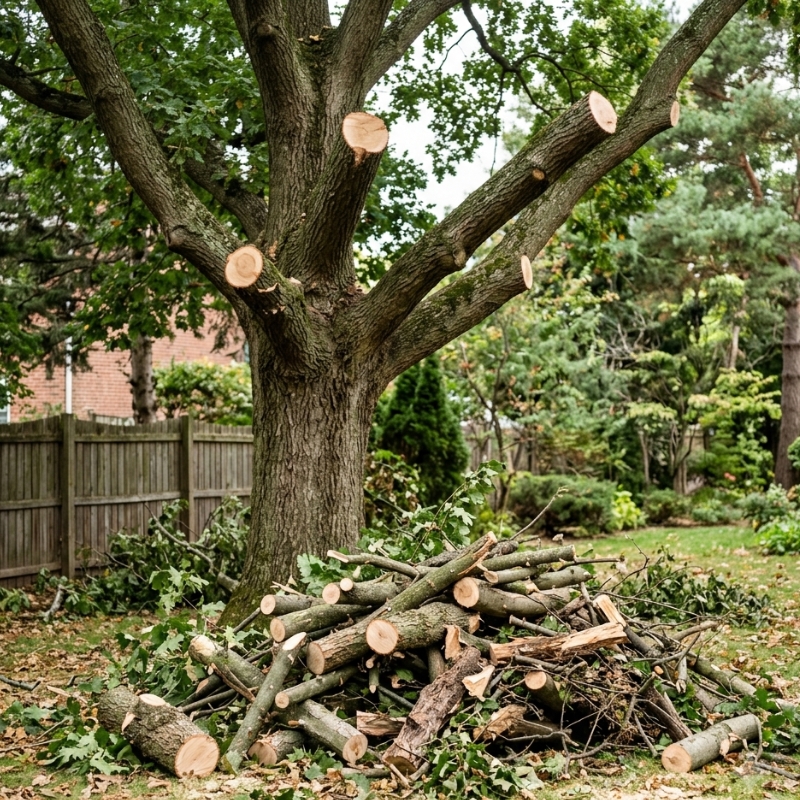
A healthy tree adds beauty, shade and value to a Sydney property. A stressed or unstable tree can do the opposite, dropping limbs without warning, damaging roofs or falling during one of our infamous east-coast lows. Knowing when to call for professional tree lopping support is not always obvious, but timely action can prevent costly repairs and safety risks. This guide breaks down the subtle clues homeowners often miss, explains what each symptom may signal and shows when DIY observation is enough versus when a qualified arborist should step in.
1. Visible Changes in the Canopy
A tree’s canopy often tells the first chapter of the health story. Look for patterns rather than one-off blemishes.
Thinning foliage
If leaves are noticeably sparse during a season when the species should be full, the tree may be diverting energy away from the canopy to survive drought, disease or root stress.
Sudden or uneven leaf drop
Gums and other natives can shed leaves in dry periods, but abrupt, patchy drop can point to borer activity or root damage that interrupts the water flow.
Discoloured leaves at the wrong time of year
Yellowing outside autumn, or browning that starts at branch tips rather than from the trunk outward, often signals nutrient lock-up or soil compaction from vehicle parking.
2. Bark, Trunk and Branch Irregularities
The trunk is the structural backbone. Small changes here can become big problems in Sydney’s storm season.
Cracks, splits or peeling bark
Fine, shallow cracks may be harmless ageing. Deep vertical splits, especially those that widen over weeks, suggest internal decay or lightning damage.
Fungal fruiting bodies
Mushrooms or bracket fungi at the base mean wood is staying damp long enough for decay fungi to colonise. The internal structure could already be weakened.
Unusual sap flow
Sticky, dark sap weeping from a single point can indicate borer holes. Multiple weeps may be the tree’s response to stress or infection.
Table 1: Minor vs Serious Trunk Signs
| Sign | What It May Mean | Suggested Next Step |
| Small surface cracks that stay dry | Cosmetic ageing | Monitor for spread during wet periods |
| Deep vertical split with fresh wood visible | Structural weakness, possible storm damage | Arrange professional inspection |
| One or two shallow borer holes | Localised insect activity | Treat promptly and monitor |
| Large bracket fungus at the base | Internal decay | Seek arborist assessment before winds increase |
Even experienced gardeners can miss early trunk signs. During routine mowing, take a slow lap around each main tree and inspect at eye level and near the root flare.
3. Root Zone Red Flags
Roots do more than anchor the tree. They store energy and supply water. Issues underground often show subtle surface hints.
Soil heave or cracking
Raised soil on one side of the trunk may indicate the tree is beginning to lean or the root plate is lifting after heavy rain.
Failing lawn or garden beds around the drip line
Instead of blaming fertiliser, consider that root rot or compaction might be strangling both turf and tree.
Exposed roots with damage
Repeated whipper-snipper contact or edging can strip bark, opening pathways for pathogens.
Local note: Sydney clay soils swell after downpours, then shrink in hot spells. This movement can stress shallow root systems, especially in suburbs built on cut-and-fill sites like parts of Kellyville and Castle Hill.
4. Leaning or Imbalanced Structure
A slight lean can be natural, but a recent change in posture warrants attention.
Progressive tilt
Mark a reference point on the trunk and fence each month. If the tilt increases, underground anchors may be failing.
Heavy lateral growth on one side
Urban trees reaching for light between houses often develop imbalanced canopies. High wind loads on one side raise the risk of branch failure.
Crossing or rubbing branches
These wounds rarely heal cleanly, giving fungi an entry path and focusing weight on weak junctions.
A quick structural pruning early can postpone, or even eliminate, the need for removal.
5. Sounds and Smells Most People Ignore
Trees speak; we just have to know how to listen.
Creaks and pops in windy weather
Audible cracking can mean fibres are tearing internally. Stand well clear and observe from a safe distance.
Sour or fermented odour
Decaying wood inside the trunk often releases a sharp smell before external signs appear. Trust your nose when walking the yard after rain.
6. Wildlife Activity Changes
Sydney’s birdlife knows a safe perch when it sees one.
Sudden increase in trunk-foraging birds
Species like cockatoos or lorikeets may be feeding on sap-flowing insects beneath the bark, signalling infestations.
Possums abandoning their usual hollow
If regular night rustles cease, the cavity could be unstable or waterlogged.
Observing wildlife patterns over seasons helps establish baselines. A dramatic change merits closer inspection.
7. Council Compliance and Legal Triggers
Most Sydney councils require approval for significant pruning or removal, yet emergency action is allowed when a tree poses an immediate hazard. Ignoring early warnings can land homeowners with fines or liability if a failing limb causes damage.
Check your Local Environment Plan before modifying protected species. If in doubt, a qualified consulting arborist can prepare the report needed for council submission.
For safety standards around working at height near live powerlines, see the SafeWork NSW tree work safety guide.
8. DIY Monitoring Versus Calling a Professional
Not every blemish demands urgent tree work. Use the comparison below to decide your next move.
| Situation | DIY Monitoring | When to Call a Professional |
| Minor deadwood on outer limbs | Remove reachable twigs with clean tools, recheck seasonally | If deadwood is large or over footpaths |
| Small fungal growth on mulch, not on trunk | Rake and dispose, improve airflow | If mushrooms emerge directly from bark |
| Branch rubbing roof in light breeze | Prune back within legal limits | If branch diameter > 50 mm or near powerlines |
| Lean increases after storm | Photograph and measure weekly | If lean exceeds 10 ° or soil heaves |
9. Mistakes to Avoid
- Topping or lopping healthy crowns just to reduce height. It often triggers weak regrowth and bigger problems.
- Ignoring early root plate movement until the tree is visibly unstable. Recovery options narrow quickly.
- Sealing pruning cuts with paint. Research shows most sealants trap moisture and decay.
- Hiring unqualified operators. Insurance may not cover damage caused by unlicensed work.
- Overwatering after drought. Sudden soil saturation can suffocate fine roots.
10. How Tree Health Links to Overall Landscape Value
Healthy, structurally sound trees are widely recognised as an asset to residential properties, improving kerb appeal and making outdoor spaces more appealing to potential buyers. Their canopy also helps shade gardens, reducing heat stress on plants and slowing soil moisture evaporation during hot weather. For broader yard benefits, see our article on when is the best time to prune trees in Sydney.
11. FAQs
1. Can I remove a dangerous branch without council approval?
Most councils allow the removal of dead or dangerous branches posing an immediate hazard. Photograph the branch before and after to document the risk and action in case of inspection.
2. Are surface roots a sign my tree will fall?
Not necessarily. Some species, like fig trees, naturally form surface buttress roots. Concern arises if roots lift soil unevenly or show signs of rot.
3. How often should I check my trees for early warning signs?
Twice a year is a practical minimum—once at the end of summer heat stress and once after winter storms. Additional checks after severe weather are wise.
4. Do native gums drop limbs without warning?
Eucalyptus species can shed limbs during heatwaves, but stress signals such as small cracks, sparse leaves or internal decay usually appear first if you know where to look.
5. Does homeowners’ insurance cover tree failure damage?
Policies vary. Insurers may decline cover if negligence—like ignoring visible decay—contributed to failure. Regular inspections and records strengthen any claim.
Final Thoughts
Catching problems early is the simplest way to preserve your trees, protect your home and avoid knee-jerk removals. A quick monthly walk-around, noting changes in canopy, trunk and root zone, can reveal subtle clues before they turn into safety hazards. When the signs point to structural weakness, pests or disease beyond basic care, a qualified arborist’s assessment is the safer next step.

