
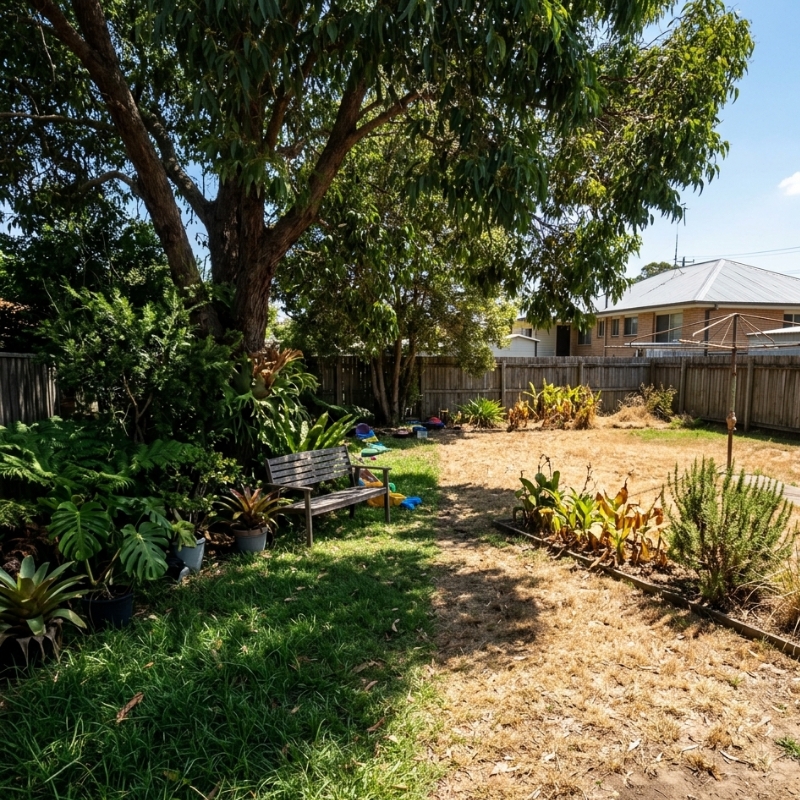
Sydney’s gardens all sit under one postcode umbrella, yet the conditions in Bondi can feel worlds apart from those in Penrith. Coastal suburbs battle salt-laden breezes, the inner city sees sticky summer nights, while Western Sydney can climb above 40 °C before lunch. One watering, feeding or pruning routine rarely suits every backyard. Getting familiar with the city’s diverse microclimates is the fastest way to reduce plant stress, prevent soil problems and stretch every drop of water. Below, we unpack the most common climate challenges, then share practical, low-tech fixes you can start today. If you ever need hands-on help tailoring a plan, Sydney gardening specialists can step in and do the heavy lifting.
Understanding Sydney’s Micro-Climates
Sydney sits on a coastal plain bordered by the Pacific Ocean to the east and the Blue Mountains to the west. Those landmarks create several distinct growing zones.
• Coastal strip (e.g., Coogee, Cronulla) – Moderated temperatures, higher humidity, salty winds
• Harbour basin & inner city (e.g., Glebe, Redfern) – Urban heat-island effect, limited airflow, reflected heat from hard surfaces
• Western suburbs (e.g., Parramatta, Penrith) – Hotter days, lower night humidity, higher evapotranspiration
• Northern suburbs & river pockets (e.g., Hornsby, Galston) – Slightly cooler nights, occasional frost pockets in valleys
• Hills District & Blue Mountains foothills – Cooler winters, greater rainfall variability, moderate frost risk
Why it matters: Temperature swings, wind patterns and rainfall totals differ enough between these zones to alter planting calendars, watering needs and pest cycles. Observing your own micro-climate, sun angles, shade lines, and wind corridors will fine-tune the advice that follows.
How Seasonal Shifts Affect Soil, Water and Plant Stress
Sydney’s warm-temperate classification hides some sharp seasonal turns.
• Summer: Heatwaves, UV intensity and hot dry westerlies drain soil moisture fast.
• Autumn: Usually reliable rain; ideal for root growth and soil building.
• Winter: Variable rainfall, occasional frost west of the CBD and in elevated pockets.
• Spring: Rapid temperature rise, strong nor’easterly winds, new pest flush.
Plants feel these changes in three key ways:
- Soil moisture volatility – Alternating deluges and drying winds can lead to hydrophobic (water-repelling) soil.
- Nutrient cycling – Warm, wet spells speed up microbial activity, while cool, dry periods slow it, affecting fertiliser timing.
- Pest and disease pressure – High humidity encourages fungal leaf spots; dry heat favours mites and scale.
Synchronising feeding, mulching and pruning with these seasonal rhythms cuts waste and plant shock.
Heatwaves and Dry Westerlies: Protecting Gardens During Extreme Heat
Western Sydney recorded multiple 45 °C days in the past decade. Even coastal gardens can scorch under hot winds blowing off the ranges.
Practical tactics:
• Deep watering early morning two or three days before a forecast heat spike helps roots access water when surface soil dries.
• Apply 7–10 cm of chunky organic mulch to reduce evaporation.
• Erect temporary shade cloth (30–50 % block) over vulnerable veggies or newly planted shrubs.
• Avoid high-nitrogen fertilisers; they push soft growth that wilts faster.
• Group potted plants together in dappled shade to create a humid micro-zone.
Warning signs that a plant is beyond light stress include crispy leaf margins that don’t recover overnight and rapid leaf drop. Rescue measures focus on cooling roots: heavy watering at sunset and misting foliage to drop leaf temperature.
Coastal Humidity and Salt Spray: Keeping Foliage and Soil in Balance
Living within a few streets of Sydney’s beaches brings nightly on-shore winds loaded with salt. Salt accumulates on leaves and in the topsoil, drawing out moisture and burning tender tissue.
Action plan:
• Rinse foliage with fresh water during dry spells to remove salt deposits.
• Incorporate gypsum in planting holes; it improves soil structure and helps leach excess sodium.
• Plant a “sacrificial” hedge of tough, waxy-leaved species (e.g., oleander, coastal banksia) to catch the brunt of salty wind.
• Choose salt-tolerant groundcovers like pigface, coastal rosemary or Carpobrotus to carpet exposed beds.
• Watch for fungal diseases, humid evening air, and salt stress to weaken plant defences.
Winter Frost Pockets in Western and Hills Districts: Damage Control Tactics
Most of metropolitan Sydney escapes heavy frost, yet valleys in Kenthurst or south-facing slopes in Richmond can still see sub-zero snaps. Frost ruptures plant cells, producing blackened, mushy foliage.
Preventive steps:
• Water the garden thoroughly the afternoon before a frost; moist soil holds daytime warmth that radiates upward overnight.
• Drape frost cloth or even old sheets over citrus, tomatoes and tender ornamentals at sunset.
• Position frost-sensitive specimens under high canopy trees or on the northern side of brick walls that soak up daytime heat.
• Delay hard pruning until after the last frost; damaged tips provide a minor buffer.
If damage occurs, resist the urge to prune immediately. Wait until new growth appears in spring to see which wood is truly dead.
Rainfall Highs, Lows and Storm Surges: Smart Drainage and Water Harvesting
Sydney’s annual rainfall averages roughly 1,200 mm, yet downpours can dump 100 mm in a single day. Poorly drained beds suffocate roots and foster root rot. Conversely, long dry stretches mean every litre saved counts.
Key moves:
• Shape garden beds with a subtle crown so water sheds rather than pools around stems.
• Install slotted ag-pipe behind retaining walls to prevent hydrostatic pressure.
• Direct overflowing downpipes into rain barrels or infiltration trenches.
• Add coarse sand and compost to heavy clay soils in low points to improve infiltration (more on this in our guide to improving Sydney soil structure).
• Fit first-flush diverters to rain tanks to keep debris and roof sediment out of irrigation water.
Choosing Climate-Resilient Plants for Different Sydney Zones
Below is a snapshot of plants that shrug off the city’s most common climate stressors and the quick tactics that help them along.
| Climate challenge | Typical Sydney areas | Plant traits that cope | Quick garden tactics |
| Extreme heat & low humidity | Western suburbs, North-west growth corridor | Deep roots, grey/silver foliage, waxy cuticles | Mulch thickly, install drip lines at the root zone |
| Salt spray & high winds | Coastal strip, headlands | Fibrous leaves, salt-excreting glands, low profile | Create a windbreak, rinse foliage after storms |
| High humidity & fungal pressure | Harbour basin, river suburbs | Open branching, disease-resistant cultivars | Space plantings for airflow, and prune dead wood promptly |
| Intermittent frost | Hills District valleys, elevated west | Dormant winter phase, carbohydrate-rich stems | Site against thermal mass, use frost cloth |
| Heavy rain events | Eastern suburbs catchments, gully sites | Buttress roots, tolerance for brief waterlogging | Improve drainage, raise beds, include gravel in the mix |
Use the table as a planning cheat-sheet: match your suburb’s known challenges, then cross-check plant lists before hitting the nursery.
Simple Design Tweaks That Create Friendlier Micro-Climates
Garden layout can amplify or soften your local climate.
- Windbreaks: A staggered row of lilly pilly or callistemon reduces wind speed by up to 50 % for a distance 3–4 times the hedge height.
- Thermal Mass: Dark-coloured pavers or sandstone walls absorb heat during the day and release it at night, buffering temperature swings around citrus or tropical beds.
- Shade Sails: Installing a 30–40 % block sail over veggie beds cuts UV intensity without plunging the area into deep shade.
- Water Features: Even a small pond adds evaporative cooling and humidity for ferns or shade-loving ornamentals.
- Raised Beds: Lifting soil heights improves drainage in heavy rain zones and warms soil earlier in spring.
Each design tweak tackles a specific stress, wind, heat, waterlogging, and often looks better than ad-hoc fixes like propping up old umbrellas.
Ongoing Maintenance Rhythm: Monitoring, Mulching and Moisture Checks
Routine beats rescue missions every time. Adopting a simple checklist keeps climate pressures from snowballing.
• Inspect leaves weekly for scorching, fungal spots or mite speckles.
• Use a soil probe or even a long screwdriver to gauge moisture 10 cm below the surface before watering.
• Top up mulch twice a year,once after autumn cleanup, again before peak summer.
• Rotate organic fertilisers with seaweed tonics to balance nutrition and stress-protective minerals.
• Keep pruners sharp and disinfected; clean cuts close faster, limiting pathogen entry.
Local tip: Sydney Water often announces level-based water restrictions. Sign up for SMS alerts so you can adjust irrigation timers and avoid fines.
Common Climate-Related Gardening Mistakes to Avoid
- Watering little and often during heatwaves – encourages shallow roots; instead, water deeply and sparingly.
- Over-fertilising in midsummer – high salt concentrations in hot soil burn roots.
- Ignoring wind damage – ragged leaf edges invite disease; prune cleanly after storms.
- Planting subtropicals in frost hollows – even Sydney’s “mild” winter can kill bananas, papayas or frangipani in low valleys.
- Skipping soil structure work – compacted clay traps water in wet months and cracks open in heat, stressing roots year-round.
Decision Guide: Monitor, DIY Adjust or Call in Help?
| Situation | Safe to monitor | DIY tweak | Professional assessment recommended |
| Leaves wilting only in peak afternoon heat, perk up overnight | ✔ | Water deeply, add mulch | ✖ |
| Soil stays waterlogged 24 h after normal rain | ✖ | Dig drainage trench, raise beds | ✔ if pooling near structures |
| Salt burn on new coastal plantings | ✖ | Rinse foliage, apply gypsum | ✔ if entire hedge browning |
| Repeated frost burn despite covers | ✖ | Relocate pots, add thermal mass | ✔ to redesign site plan |
| Pervasive fungal leaf spots each spring | ✖ | Improve airflow, use eco-fungicide | ✔ if fruit trees lose significant crop |
The table helps you weigh when observation and simple tweaks suffice versus when structural solutions or horticultural troubleshooting will save time and money long-term.
FAQs
1. Does Sydney really have “four seasons in one day,” and how does that affect watering?
Sydney can swing from humid sea breezes to hot inland gusts in hours. Check soil moisture rather than watering on a strict daily timer. A finger test or moisture probe gives a truer picture than the weather app alone.
2. What mulch depth is ideal for Sydney summers?
Aim for 7–10 cm of coarse organic mulch. Anything thinner lets heat through; thicker layers can repel water during sudden downpours. Rake and fluff mulch mid-season to prevent matting.
3. How can I tell if my suburb gets frost?
Use local observations,look for dew that turns crunchy by dawn, browned banana leaves in neighbours’ yards, or consult the Bureau of Meteorology climate data for minimum temperature records. Valleys and south-facing slopes are higher risk.
4. Are native plants always the best choice for Sydney gardens?
Natives are generally adapted to local conditions, but the microclimate still matters. A coastal banksia may hate soggy gully soil, while a rainforest lilly pilly can sulk in dry western heat. Match plant origin to site conditions for best results.
5. Can I combine drought-tolerant and water-loving plants in one bed?
Yes, by zoning: place thirsty plants nearer taps or on the downslope, and group drought-tolerant species on higher, free-draining spots. Separate zones prevent over- or under-watering either group.
Final Thoughts
Sydney’s varied climates shape every gardening decision, from plant selection to bed design. By matching tactics,mulch, shade, drainage, windbreaks, to your suburb’s unique challenges, you create a resilient landscape that needs less emergency care and rewards you with stronger growth. Keep observing, testing soil moisture and adjusting as the weather shifts. And when climate quirks outpace DIY fixes, calling in experienced eyes can fast-track lasting solutions. Happy gardening across every corner of Sydney!
)
&description=&image=https://a1gardeningsydney.com.au/wp-content/uploads/2026/06/The-Impact-of-Sydneys-Climates-on-Garden-Health-and-How-to-Work-With-Them.jpg)