
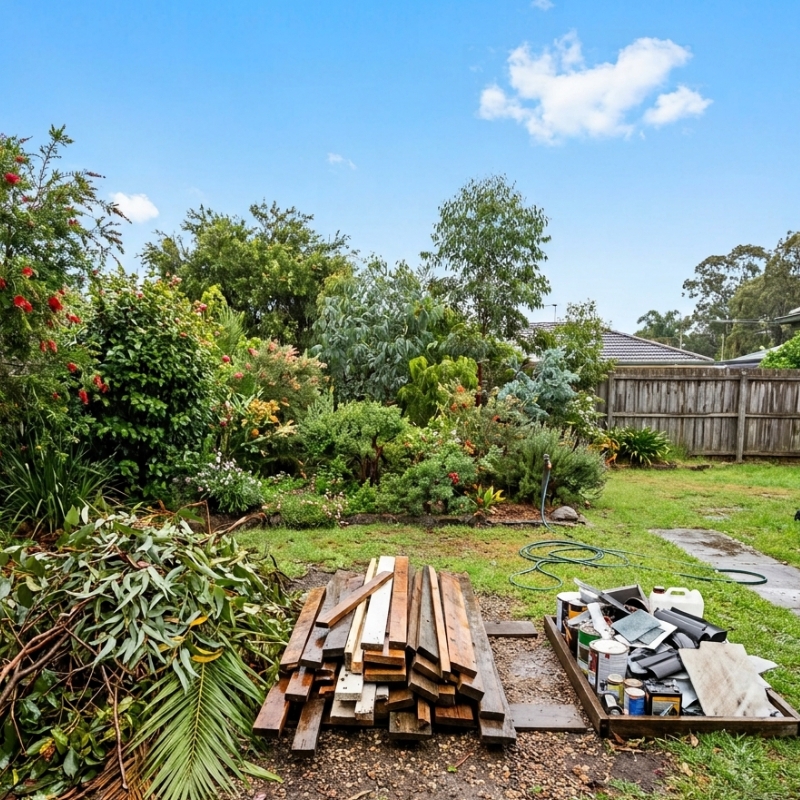
Sydney’s subtropical climate can turn ferocious in minutes. One minute you are admiring jacaranda blossoms, the next you are staring at a yard buried under branches, roof shards and water-logged mulch. Acting quickly matters, but so does knowing what should be chipped, what must be bagged and what needs specialist disposal. In this guide, we break down the difference between harmless garden clippings and dangerous storm rubble, the council rules you need to know, and when calling a professional storm season yard clean-up team can actually save you money and headaches.
Why Storm Debris Classification Matters
Storm clean-ups are not just about appearances. Sorting debris correctly:
• Protects your family from hidden hazards such as nails or asbestos.
• Avoids contamination fines from local councils.
• Ensures organic matter is recycled into compost instead of ending up in landfill.
• Speeds up insurance claims because adjusters see evidence of safe practice.
Local rule of thumb
Most Sydney councils offer fortnightly green-lid bin collections and separate bulky-waste pick-ups. Mixing polyethylene sheeting with palm fronds will see the entire bin rejected, so classification saves repeat work.
Three Major Debris Categories After a Storm
1. Pure Green Waste
Includes fresh or partly dried organic matter:
• Fallen leaves, twigs and bark.
• Tree limbs free of nails or coatings.
• Grass, palm fronds and garden bed plants.
Why it matters:
Green waste can be mulched on-site, used in compost bins or bundled for council collection. Proper separation keeps Sydney’s Organics Recycling Program efficient and reduces landfill methane.
2. Mixed or Suspicious Waste
Debris that looks harmless but may contain synthetic binders or fasteners:
• Timber fencing with nails or screws.
• Roof battens painted with lead-based coatings on pre-1970s homes.
• Damp plasterboard which may hide mould spores.
Tip: If timber looks painted or smells of chemicals, treat it as mixed waste and keep separate from leaf piles.
3. Hazardous Waste
Items requiring special handling:
• Broken fibro sheeting (possible asbestos).
• Batteries from garden tools or solar lights.
• Chemicals, paint tins or fuel cans washed from the shed.
• Glass shards, sharp metal roofing, wiring.
According to the NSW Environment Protection Authority, incorrect disposal of hazardous materials can attract fines and pollute waterways. When in doubt, treat suspicious items as hazardous until a qualified assessor confirms otherwise.
Comparison Table: Identifying Debris and Next Steps
Below is a quick reference to help you decide the safest removal method.
| Debris Type | Visual Clues | Immediate Action | Suitable Disposal Method |
| Fresh tree limbs | Green bark, visible sap | Cut to <1 m lengths | Mulch on-site or council green bin |
| Timber with nails | Nail heads, splintered ends | Wear gloves, remove nails | Metal recycling (nails), timber landfill section |
| Broken roof tiles | Ceramic or cement shards | Check for sharp edges | Wrap in tarp, place in masonry skip |
| Fibro sheeting (pre-1990s) | Fine fibres, off-white | Do NOT break further | Engage licensed asbestos remover |
| Soggy plasterboard | Soft, crumbling core | Mask up, avoid dust | Mixed construction waste skip |
| Garden chemicals | Leaking bottles, labels | Isolate in ventilated area | Household hazardous drop-off event |
Even small mistakes, such as mulching painted timber, can introduce toxins back into garden beds. Keep this table handy before you start hauling debris to the kerb.
Step-by-Step Storm Debris Sorting Process
- Walk the perimeter safely
Wear covered shoes, eye protection and thick gloves. Note overhead branches that could drop while you work. - Create three collection zones
Use tarps or old sheets: one for pure green waste, one for mixed waste and one covered bin or tub for hazards. - Trim and stack green waste first
Cut branches into manageable lengths with loppers or a chainsaw. This clears walkways and reduces visual chaos, making hazards easier to spot. - Bag small hazardous items immediately
Broken glass, batteries and sharp metal pieces should go straight into sturdy buckets or labelled bags to stop them piercing green piles. - Check council guidelines
Sydney councils vary: Inner West allows 100 kg free green waste drop-off weekends, while Blacktown limits bundles to 1.5 m length and 15 kg each. Visit your council site before you load the ute. - Book skip or collection early
Post-storm demand spikes. Booking a mixed-waste skip or council kerbside pick-up early avoids waiting weeks with debris on your lawn.
Common Mistakes Sydney Homeowners Should Avoid
• Mixing soil and turf with branches — soil weight can exceed skip allowances, leading to extra fees.
• Leaving piles against timber fences — moisture breeds termites and fungi.
• Delay in removing wet cardboard — mould can spread onto nearby plants.
• Using regular garden gloves on metal shards — invest in cut-resistant gloves rated at least EN388.
Eco-Friendly Disposal Options Beyond the Green Bin
Sydney’s climate means most storm debris is organic, and recycling it on-site saves hauling costs.
Backyard mulching
Rent a chipper for a day. Spread fresh mulch under hedges to suppress weed seeds exposed by storm winds.
Community compost hubs
Several inner-city community gardens accept clean leaf litter and small branches. Check their social media for drop-off hours.
Habitat piles for wildlife
Stack second-grade branches in a shaded corner to create shelter for blue-tongue lizards and frogs, boosting pest control naturally.
For more long-term landscape benefits, see our related post on the effects of landscaping on property value and discover why tidy, healthy gardens often translate to stronger resale prices.
When to Call a Professional Yard Clean-Up Crew
• Large fallen trees near powerlines — Ausgrid regulations require qualified arborists.
• Suspected asbestos debris — Only licensed removalists can legally transport it.
• Stormwater-logged retaining walls — Heavy equipment may be needed to stabilise soil before removal.
• Time constraints — Insurance deadlines often require documented disposal within days.
Professional crews carry indemnity insurance, chipper trucks and respirators, finishing a task in hours that could take DIYers days, especially if you need multiple council tip runs.
Questions to Ask Before Booking a Debris Removal Service
- Do you separate green and mixed waste for recycling rebates?
- Are your workers trained in hazardous material recognition?
- Can you provide tipping dockets or recycling certificates for insurance claims?
- Will you prune damaged limbs still attached to trees, or is that extra?
Clarity on these points prevents hidden surcharges and ensures your debris ends up at the correct facility.
Quick Homeowner Inspection Checklist
Use this mini audit before final sign-off:
• Yard free of protruding nails, glass and tripping hazards.
• Green waste stacked within council size limits.
• Hazardous items double-bagged and labelled.
• Gutters cleared of leaf build-up.
• Drain grates visible and unblocked.
• Photos taken for insurance evidence prior to removal.
Ticking off each step reduces storm damage follow-up costs and safeguards the family until the next squall rolls in.
FAQs
1. Can I burn storm debris in my backyard to save time?
Open-air burning is banned in most Sydney metropolitan suburbs due to air-quality regulations. Fines apply unless you hold a specific Rural Fire Service permit in outer areas. Chipping or council collections are safer options.
2. How soon should I remove wet timber to avoid termites?
Sydney’s termite colonies thrive in damp wood. Aim to remove or at least elevate soaked timber within 48 hours. Cover stacks with tarps if immediate disposal is impossible.
3. What if my green bin is already full after the storm?
Book an additional green waste pick-up through your council (fees vary) or share a skip with neighbours. Some councils run free drop-off weekends following severe weather.
4. Is storm debris removal covered by home insurance?
Policies differ. Many cover tree removal if the tree damages insured property. Keep before-and-after photos, disposal receipts and, where needed, arborist reports to strengthen your claim.
5. Do I really need a professional for suspected asbestos?
Yes. DIY asbestos removal is illegal without a licence in NSW. Professionals follow strict containment and disposal protocols, protecting your household and neighbourhood from airborne fibres.
Final Thoughts
Sorting storm debris may feel overwhelming, yet spending an extra hour separating green waste from hazardous scraps prevents bigger problems, from council fines to garden contamination. Work methodically, follow local disposal rules and keep that comparison table close. If debris volumes or hazards exceed your tools or time, professional help is a wise investment. Safe yards bounce back quicker, letting you enjoy Sydney’s next blue-sky day rather than wrestling with leftover rubble.

